
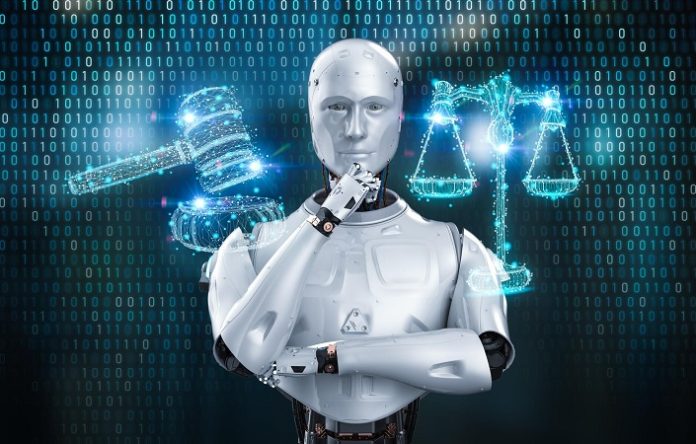
Morocco has started using artificial intelligence (AI) in its courts to transcribe decisions, carry out research, find archived texts, etc. His Minister of Justice, Abdellatif Ouahbi, confirmed that the government had purchased an AI program and handed it to the president of the Superior Council of the Judiciary for distribution in the country’s courts. He believes that the Moroccan judicial system must rely on technology to improve efficiency and reduce delays and costs, and that AI is on the front line. AI will “make the work of lawyers and judges easier,” he told lawmakers during a House Justice Committee hearing. The minister added that AI will be implemented to enable lawyers and judges to search millions of documents containing legal texts and judicial precedents. Although the government encourages the use of AI in the country’s courts, it has not put in place formal regulations for the technology. However, Morocco is among the countries that played an important role in the US-led UN resolution calling for safe, secure and trustworthy AI. The country also hosted Africa’s largest AI forum earlier this month, which concluded with the « Rabat Consensus », according to which African countries will pursue inclusion and security in the deployment of AI. However, like many of its peers, Morocco still relies on general technology regulations to control AI at the local level. A group of lawmakers from the upper house of the country’s national assembly, the House of Councilors, has introduced a bill to regulate AI. This bill proposed the creation of an autonomous agency responsible for overseeing the development of AI and promoting its adoption in public institutions. African countries have been pushing for the adoption of AI so as not to fall behind other regions. Recently, American technology giant Intel announced a partnership with the African Development Bank to train three million Africans and 30,000 civil servants in the technology.