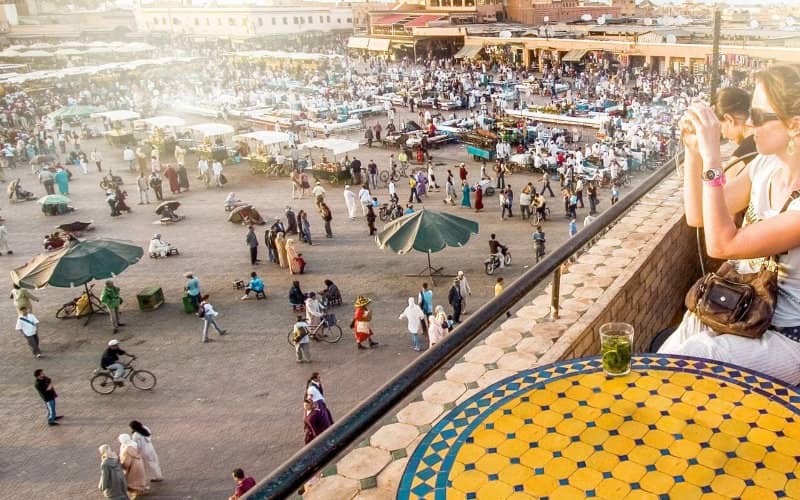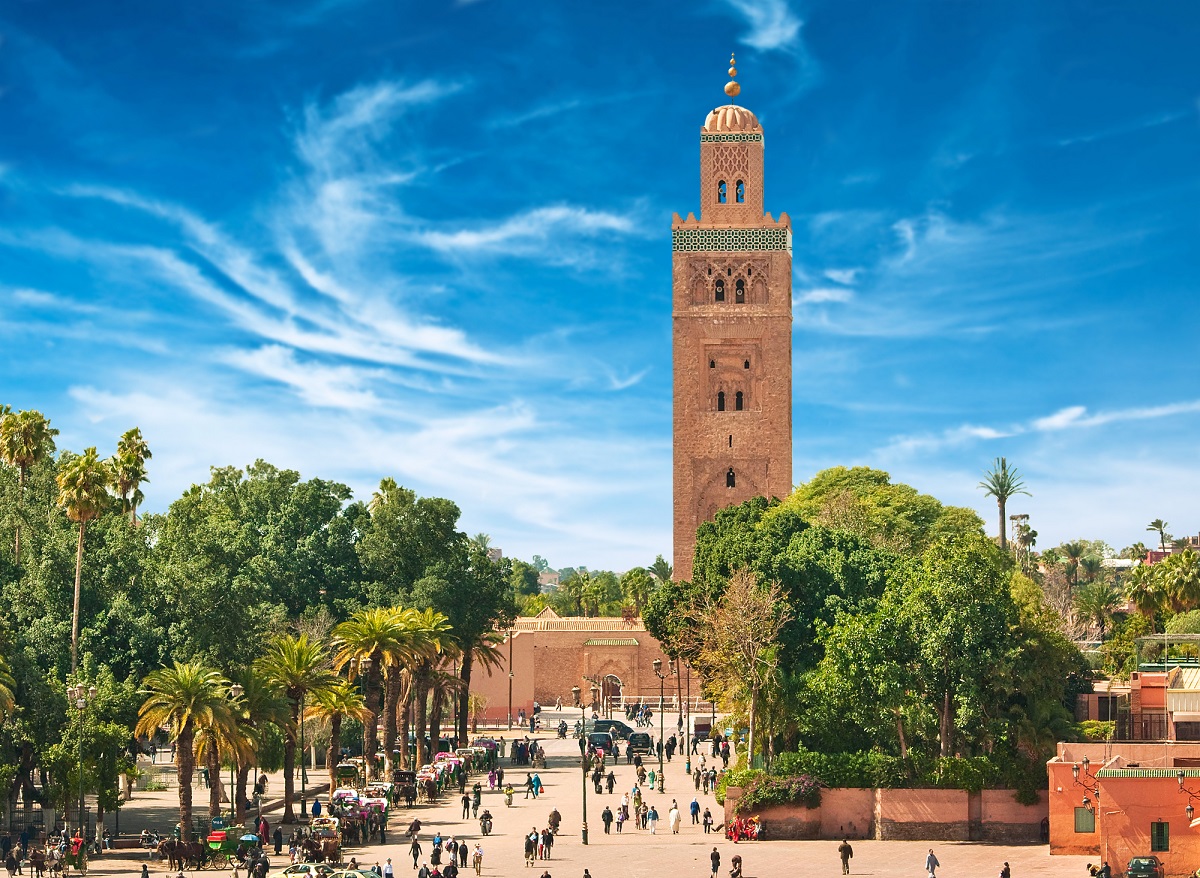


Marrakech, the flagship tourism destination in Morocco, is turning to digital. All players in the sector have become aware of the need to move towards all electronic tools in order to reach more customers, both foreign and domestic. Moreover, the city has adopted a digital strategy for the period 2016-2020. It was developed as part of a collective conscience and initiated by the Marrakech Regional Tourism Center (CRT). In fact, the CRT has not hesitated on the means to get involved in this approach, since the constantly evolving context requires it. These were the words expressed by Abderrahim Bentbib, director of the CRT of Marrakech, during a conference on e-tourism on the occasion of the 2nd edition of Meetings Morocco.
“The organization quickly understood that the challenge in relation to this destination must be met at the level of the Web, including all of its components, and no longer at trade fairs, meetings…”, specifies Adil Lamnini, president of the Professional Association of Moroccan brands and digital advisor to the CRT of Marrakech.
The final objective is to position Marrakech as a powerful and attractive brand like what is done in cities like Barcelona, Istanbul, Seville or Dubai. It is therefore a question of making it a multi-sectoral experience and going beyond its qualification as a tourist destination in the conventional sense of the term.
In addition, Mr. Lamnini suggests, among his recommendations, establishing attractive territorial marketing to expand and support the Marrakech destination and creating a support system for tourist establishments and operators who have not yet taken the digital step. This, by putting in place the necessary resources to support Marrakech’s digital system and providing the necessary means to achieve these ambitions. Furthermore, city branding is more necessary than ever, provided that it is more impactful and adapted to target markets and any category of potential current customers.
It started with the creation of a website (www.visitmarrakech.com) which is the first to have included Mandarin among the languages offered. Since the launch of this site, the desire of all the stakeholders concerned has been expressed to move towards 2.0. “Even the Moroccan national tourism office plans to devote nearly 70% of its annual budget to digital,” adds Mr. Lamnini. Gone are the days of brochures, flyers, and more generally of promotion through basic communication media. It must be said that the digitalization of tourism is also illustrated by reservations.
70% of establishments do not have an e-reputation
In fact, the majority of them are carried out on the internet and through applications; except that this segment is mainly monopolized by booking and similar sites which attract 20 to 25%. “And even if the reservation segment is dead or almost, a lot of work remains to be done as soon as the customer lands in Morocco, in terms of catering, attractions and overall, handling,” explains our source. Furthermore, 70% of establishments do not have an e-reputation, do not exist on the Internet and it is at this level that the project will have to be accelerated. To compensate for this lack, the digital advisor to CRT Marrakech proposed the creation of pre-established sites; a kind of turnkey website, for each hotel, which the latter will have to update and develop gradually, according to its needs and tastes. Likewise, training courses have been launched. The next one would revolve around the theme “Digital for non-digitals”, the aim of which would be to introduce operators who have no concept of digital… to digital. Let us note in passing that Marrakech has taken a head start in this area compared to other cities. “All digital initiatives have been taken in the ocher city at the CRT level,” concludes Mr. Lamnini
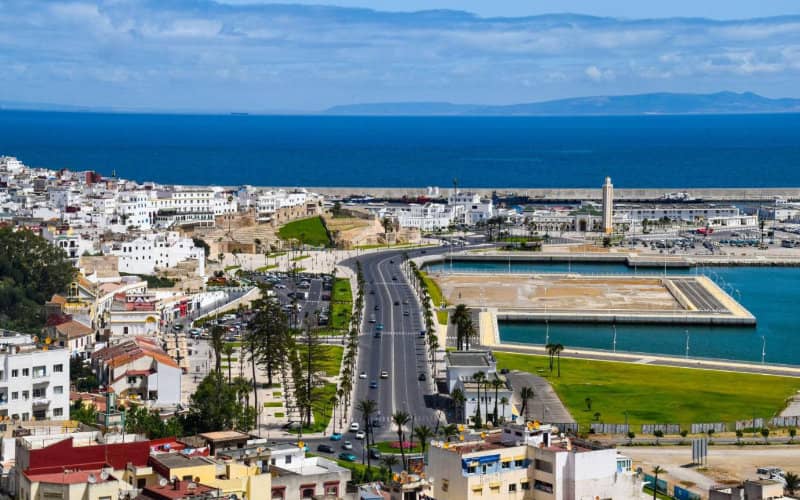
This web-oriented strategy would be extended to all other cities in Morocco, knowing that the equipment rate varies between 50 and 60% throughout the country. Thus, specifications were established for the cities of Fez, Essaouira, Tangier and Safi. It aims to create a global digital movement, starting with equipping CRTs in the regions first, and then turning to hotel and tourism operators.