
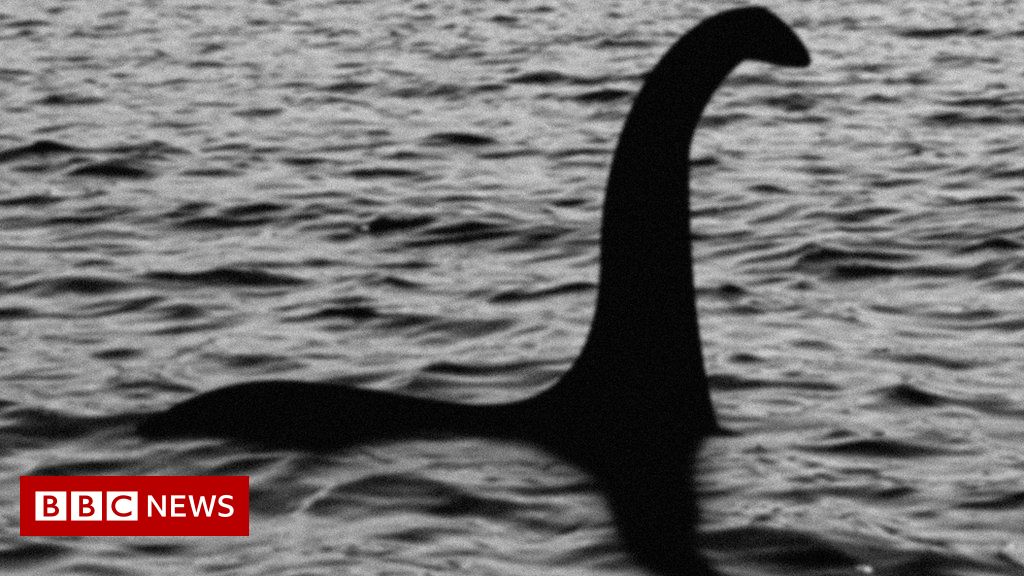
A Zarafosaurus skeleton was removed from the Drouot auction house and then returned to Morocco, where it was dug up. Its Ministry of Energy and Mines denounced this sale as a looting of a “unique heritage treasure”.
The skeleton of a 66 million year old marine dinosaur, removed from an auction in Paris at the end of February, has been returned to Morocco, the MAP news agency reported on Wednesday. This marine plesiosaur, named Zarafasaura Oceanis and coming from the center of the kingdom, was finally “returned to Morocco and delivered to the Ministry of Energy and Mines”. “This restitution was carried out within the framework of an agreement between Morocco and the holders of this skeleton, which makes it possible to avoid a long and tedious legal process,” explains the agency.
Read: In Drouot, the sale of the skeleton of the Loch Ness monster is controversial
Zarafasaura Oceanis, an “exceptional fossil” resembling a Loch Ness monster and estimated at 450,000 euros, was to be put on sale at the beginning of March at the Drouot hotel in Paris. A Moroccan association then suspected an illegal export and denounced the sale as a looting of a “unique heritage treasure”. The Moroccan authorities then announced their intention to act to repatriate the animal.
A 75% complete skeleton
According to MAP, which cites the Moroccan embassy in Paris, « the holders of the skeleton unconditionally recognized Morocco’s ownership » of the fossil and « agreed to ensure its transfer to Morocco. » They will be “compensated at cost for the work actually carried out to restore and reconstruct the skeleton”. The complaint filed “for illegal excavations and illicit export of fossils in contravention of the legal and regulatory provisions in force in Morocco will take its course,” nevertheless adds the MAP.
According to the auctioneer of the aborted sale, “the plesiosaur had been reconstructed in Europe from 4 fossils legally purchased at the Frankfurt Specialized Fair by Italian collectors” from a Moroccan company with all the necessary authorizations. The almost complete skeleton – 75% and to which resin elements have been added – weighs several tonnes and measures around ten meters.
The bones of this plesiosaur, belonging to the Elamosaurid family, were apparently exhumed in 2011 from the phosphate basins of Ouled Abdoun. Partly covered by the sea during the primary era (around 500 million years BC), Morocco is world famous for being home to numerous fossils, minerals and also meteorites.
source: parismatch