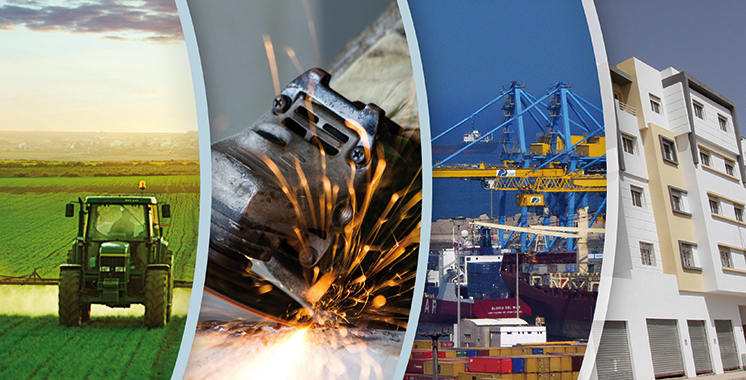


Foreign investments in Morocco represent both opportunities and challenges for a booming economy. Opportunities: Natural resources and strategic location: Morocco is rich in natural resources such as phosphate, iron ore and solar energy, which attracts investors in sectors such as agriculture, energy and industry. Its strategic location as a gateway to Africa also offers advantages for businesses looking to expand across the continent. Favorable investment policy: The Moroccan government has implemented reforms aimed at facilitating foreign investment, notably by simplifying administrative procedures, offering tax incentives and guaranteeing investor protection. Skilled workforce and competitive costs: Morocco has a young and skilled workforce, making it an attractive destination for companies looking to outsource certain activities. Additionally, labor and operating costs are often competitive with other regions. Challenges: Infrastructure: Although Morocco has invested significantly in its infrastructure in recent years, some sectors, such as transportation and telecommunications, still require improvements to fully support economic activities. Bureaucracy and Corruption: Despite government efforts to simplify administrative procedures, bureaucracy and corruption persist in some areas, which can hamper the ease of doing business for foreign investors. Regional Volatility: The unstable geopolitical situation in some neighboring regions of Morocco can be a source of uncertainty for foreign investors, although the country has generally been politically stable. In summary, foreign investments offer significant growth opportunities for the Moroccan economy, but challenges remain to maximize their impact and ensure sustainable growth.