
Moroccan economy: the OECD expects gradual growth of 3.3% in 2023, 3.6% in 2024 and 3.8% in 2025

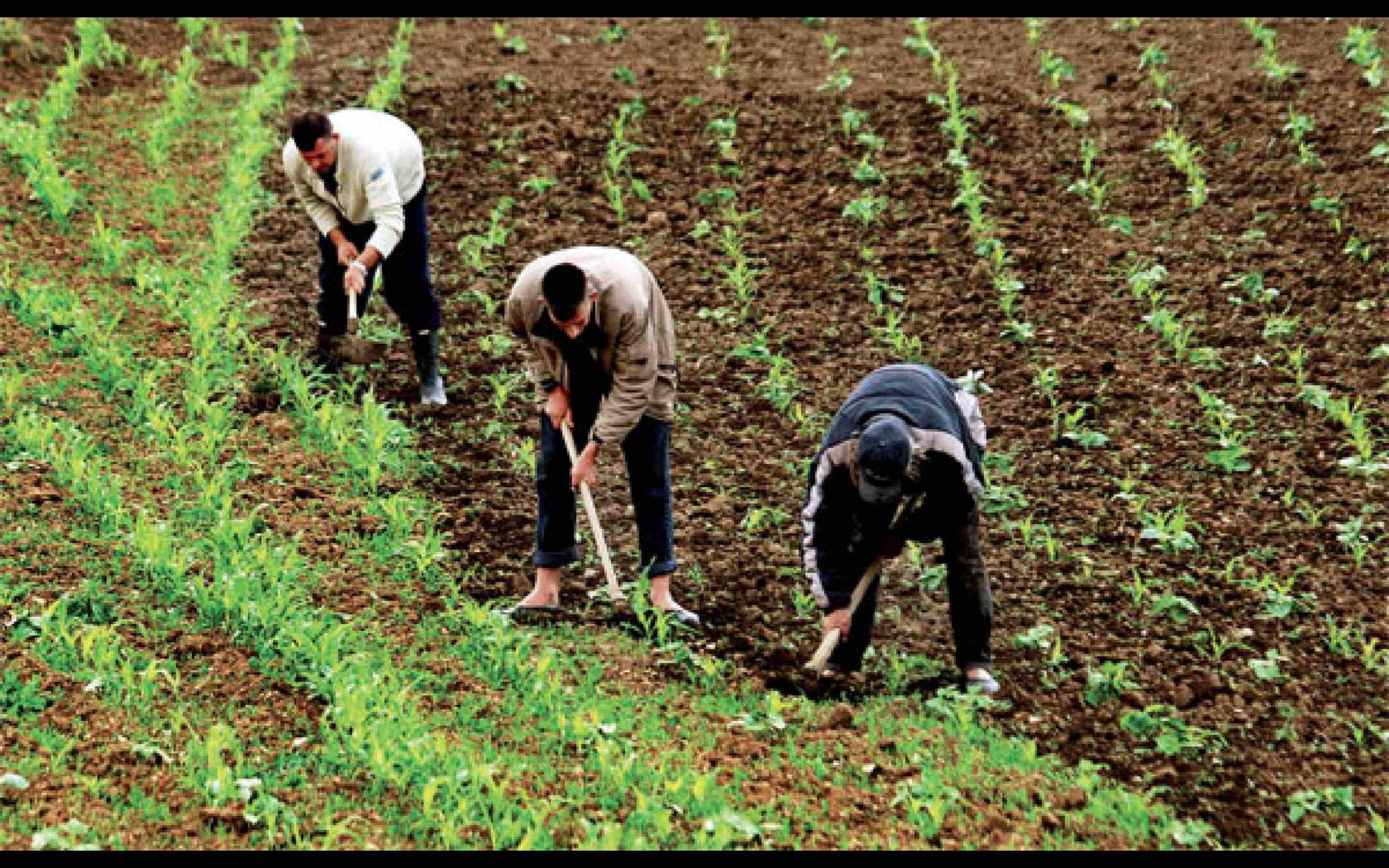
The OECD thus indicates that Morocco’s GDP growth should recover to 3.3% in 2023, then 3.6% in 2024 and 3.8% in 2025. The organization explains that this gradual growth in GDP would be the result of a rebound in agricultural production and the services sector, particularly tourism, stressing that these sectors would propel overall economic activity. “The earthquake that struck the Al Haouz region had a considerable human cost, but it did not disrupt the main productive activities.” the report said. Inflation, for its part, should also decline gradually over the next two years, thanks to the decline in commodity prices and the tightening of monetary policy, the report indicates. The organization specifies in this case that the main risks surrounding the outlook lie in a prolongation of the drought, a slowdown in European demand and shocks affecting the prices of raw materials. « The Central Bank should continue to ensure that inflation slows and keep interest rates at their current level for as long as necessary, » it said. Recall that the authors of the economic forecasts suggest that gradual fiscal consolidation is necessary to ensure fiscal sustainability, through broadening the income base and more targeted support to vulnerable households. Experts suggest focusing on structural reforms aimed at stimulating growth. These include stimulating private investment, improving women’s participation in the labor market and accelerating measures to adapt to climate change. “In real terms, growth is expected to reach 3.3% in 2023 and 3.6% in 2024, driven by agriculture, domestic demand as well as exports, tourism and key manufacturing sectors, such as automobiles and electronics, alongside the development of these sectors,” the note said. Post-earthquake reconstruction and new incentive measures will strengthen investment. These developments will, according to the organization, support income and consumption, with the recovery in agricultural production driving rural employment upwards. Lower inflation in the future The decline in inflation, the increase in the minimum wage and the resilience of remittances from emigrant workers, as well as the establishment of a cash transfer system for low-income households, will strengthen private spending. Inflation is expected to be 2.5% in 2024, taking into account the fall in energy and food prices and the effect of rising interest rates. The main risks to the outlook include the effect of prolonged droughts on agricultural production, a deeper slowdown in activity in key European markets and a further surge in commodity prices. What about the public debt? OECD experts say that with a drop in inflation, the Central Bank should maintain and then gradually lower its key rate, which is currently at 3% and has been since March 2023, to counter strong inflationary surges. As for public finances, the OECD note specifies that the public administration budget deficit is much higher than the level before the pandemic. However, it is expected to decline slowly as the economy recovers, and lower international prices reduce the cost of gas, wheat and sugar subsidies. In such a scenario, the public administration debt ratio will gradually decrease in the medium term.
source: lopinion.ma