

National economic growth would have stood at 2.9% in the first quarter of 2024, supported by the 4% increase in non-agricultural added value, according to the High Commission for Planning (HCP).
Despite the downward shift in agricultural value added, economic activity would have continued to improve, driven mainly by the dynamics of secondary branches and by the continued strengthening of services, explains the High Commission for Planning in its economic report for the first quarter of 2024 and prospects for the second quarter of 2024. Agriculture toast Agricultural activities would have experienced a decline of 3.9% in the first quarter of 2024, in annual variation, instead of an increase of 6.9% a year earlier, reports the HCP, noting that this poor performance would have been attributable to unfavorable climatic conditions which hampered the establishment of autumn and winter crops. The areas sown with cereals would have fallen by 42.5% compared to the five-year average, mainly limited to favorable areas in Saïss, Loukkous and part of Gharb. The excessive temperatures recorded around mid-January 2024, combined with the rainfall deficit (reaching 46.2% at the end of February) compared to the same period of a normal season, would have impacted the development of most crops, notes the HCP.
According to the note, the return of rains in March, limiting the rainfall deficit since the start of the agricultural campaign to 20.6%, would have been beneficial for rosaceae and seasonal market gardening, but would not have compensated for the losses recorded in early crops. Red meats: imports to the rescue In the animal sector, the effort to reconstitute the herd, after the significant decline recorded during the last three years, would also have been compromised by the deterioration of the vegetative ranges and the prolonged rainfall deficit over the first five months of the campaign. The relaunch of local red meat production would have been delayed and the supply of the local market would have remained boosted, for the most part, by imports of cattle and sheep. Conversely, the growth prospects for white meat would have relatively improved in a context of decline in the price of compound feed, in line with the drop in the international price of corn of 35.5% in the first quarter of 2024, instead of -2.4% a year earlier, in annual variations.
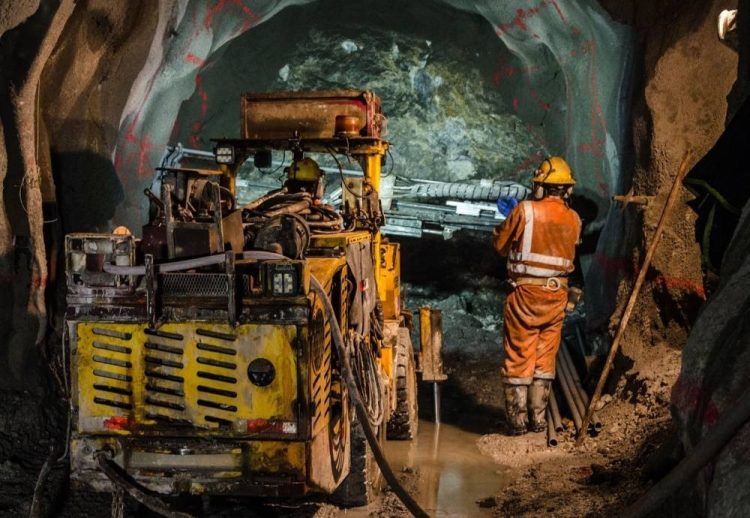
The production of broiler meat would have increased by 2.5%, in annual variation, in the first quarter of 2024, instead of +2.4% the same period of the previous year. The mining sector is recovering At the secondary sector level, the increase in value added would have reached +6.3% in the first quarter of 2024, boosted by the knock-on effects of the technical rebound in the extractive industries on other branches. In annual variation, mining added value would have increased by 11.2%, after -11.8% a year earlier. This dynamic would have been driven by a 28.3% expansion in phosphate production, driven by the strengthening of demand from local processing industries. The low level of fertilizer stocks in North American countries and the strength of demand from Brazil have fueled the resurgence of international trade in fertilizers, favoring an increase in national shipments of raw phosphate of 54.7% in the first quarter of 2024, year-on-year.