
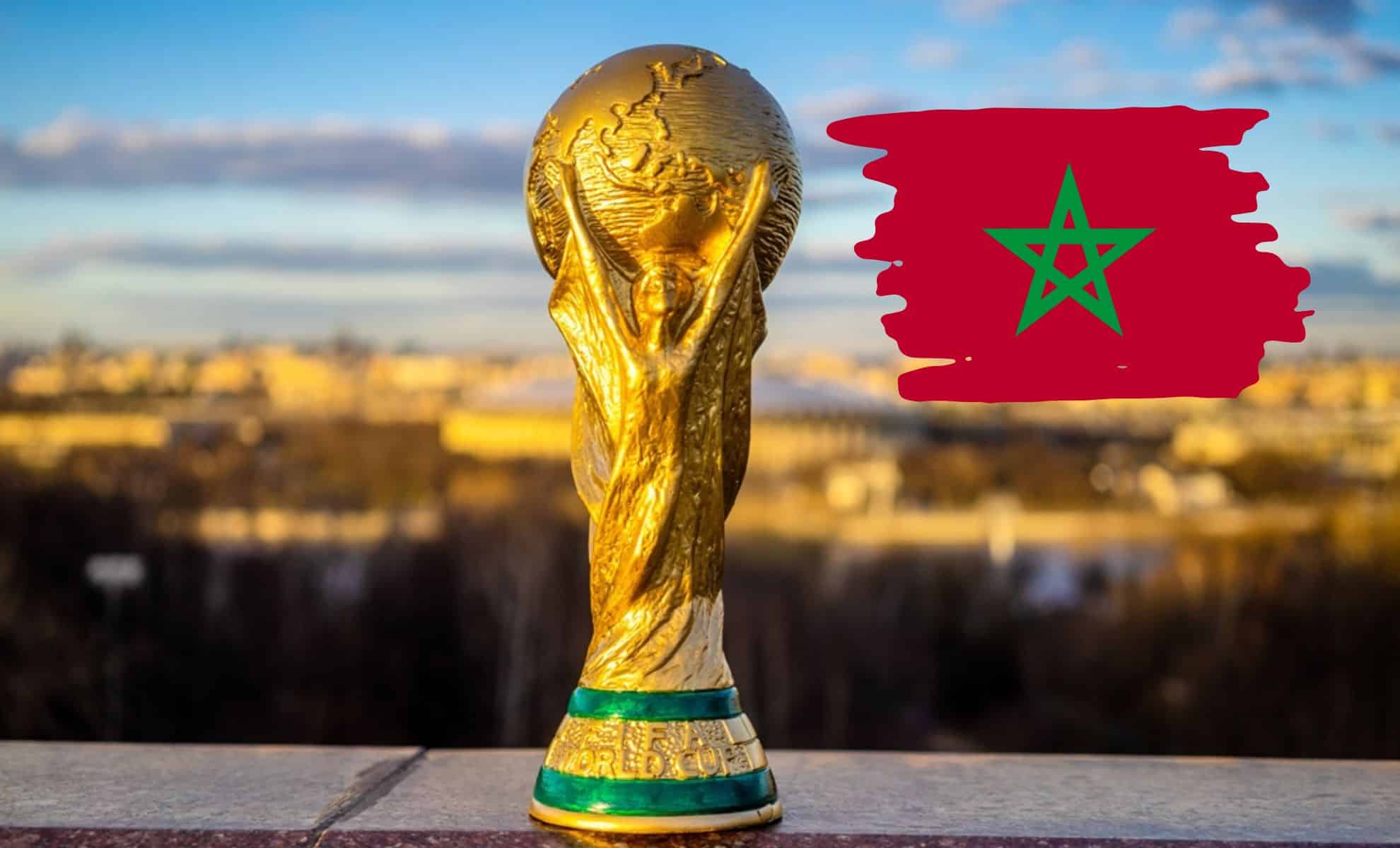
Morocco was officially designated on Wednesday as co-host of the 2030 Football World Cup alongside Spain and Portugal. This historic decision marks the second time that an African country has hosted this global event, following the 2010 edition in South Africa. For the Kingdom, it is recognition of its continued investment in sport and its efforts to strengthen its international influence. International recognition The designation of Morocco to co-organize the competition is part of a clear strategy of the Kingdom: to develop modern sports infrastructures and establish itself as a key player in world football. With its world-class stadiums, such as the recently renovated Tangier stadium, the country has demonstrated its capacity to host major international events. “It is a great honor, but it is also a historic day for Africa, and that is why we are very happy and very excited that Morocco is hosting the 2030 FIFA World Cup. It is something that we are very proud of. It is very, very important that we work together, that we are united, because that is part of why the whole world took us very seriously and respected Africa’s position: because Africa spoke with one voice and was firmly united,” said Patrice Motsepe, president of the Confederation of African Football (CAF). The co-organization of this tournament is seen as a collective success for Africa. It illustrates the unity and ambition of the continent, which seeks to establish itself on the world sporting scene while stimulating local economic and social development. In 2010, the World Cup in South Africa was hailed as a major turning point for African football. The 2030 edition promises to continue this momentum, this time putting Morocco in the spotlight. However, this success comes with many challenges. The co-organization will involve close coordination between the three host countries to ensure smooth logistics and a quality experience for the millions of expected spectators. For Morocco, this also represents an opportunity to further strengthen its infrastructure and maximize the economic and social impact of the event. By embarking on this adventure, Morocco is demonstrating that football is much more than a sport: it is a vector of diplomacy, development and national pride. Through this co-organization, the country positions itself as a key player in the promotion of African and world football, while the continent is ready to take on the greatest sporting and organizational challenges.