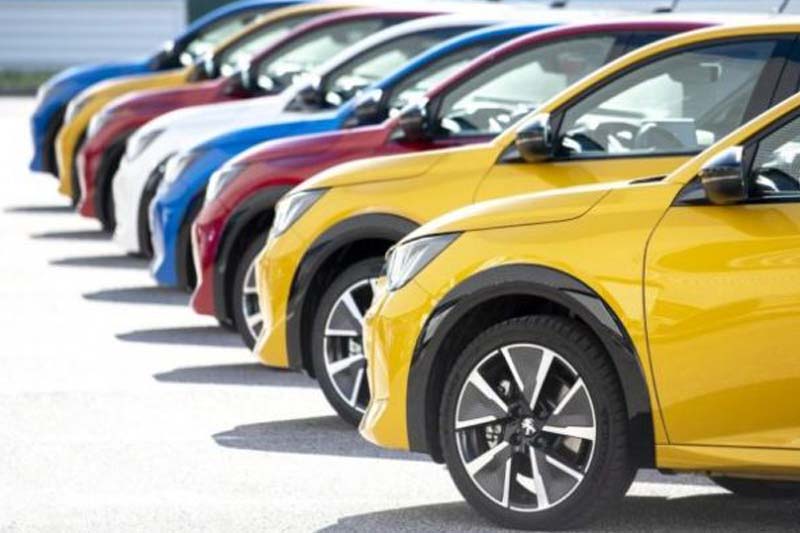

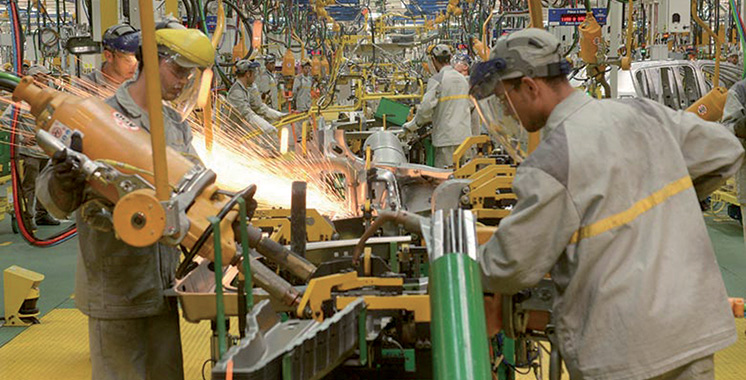
The Moroccan industrial landscape is undergoing real change. A report from the Germany Trade & Invest agency (GTAI), affiliated with the German Ministry of the Economy, highlights that the Kingdom is no longer content to play a secondary role in the international arena. It is now establishing itself as a major pillar of the African and Mediterranean economy. Long perceived as just one destination among many others, Morocco is today capitalizing on its geostrategic assets to establish itself in European supply chains. This rise is based on several key factors: a qualified workforce, competitive production costs and a wide range of trade agreements facilitating access to strategic markets such as Europe and North America. The electric battery sector illustrates this transformation. No less than six new production units have recently seen the light of day, largely run by Chinese companies. Gotion High-Tech, for example, is building a mega-factory near Kénitra with a capacity of 100 GWh, intended in particular to power the electric vehicles of the German manufacturer Volkswagen. The craze goes beyond the Chinese framework. South Korean and Canadian groups, such as LG Energy Solution, are interested in critical resources like lithium, strengthening Morocco’s role in the global energy transition. The interest of foreign investors does not weaken. Between 2022 and 2024, the Kingdom attracted 79 new foreign direct investment projects. A clear sign of confidence in the Moroccan economic model. The automotive sector remains a powerhouse with more than 230 international companies, ranging from equipment giants like Faurecia and Bosch-Rexroth, to cabling specialists like Leoni. Aeronautics follows the same dynamic, bringing together around 150 companies, including renowned German players. This attractiveness is largely supported by cutting-edge infrastructure: ultra-modern ports, latest generation airports and an efficient TGV line. Added to this are the Industrial Acceleration Zones (ZAI) and the financial hub Casablanca Finance City, which now houses institutions such as Commerzbank. In view of the 2030 World Cup, Morocco is investing in new promising sectors. Rail is at the forefront, with the extension of the TGV to Agadir and strategic connections between large airports and urban centers. The ONCF, with this in mind, integrates local content clauses into its markets, thus promoting the creation of national manufacturing and maintenance industries. The maritime sector constitutes another axis of development. The Kingdom aims to build a national fleet through the creation of shipyards and technical centers, in order to reduce logistics costs, particularly in the fishing sector, and to meet local demand. However, some challenges remain. With an unemployment rate reaching 13%, the country must redouble its efforts to generate sustainable jobs and deepen its industrial base. The government has initiated several reforms to achieve this, notably through a new Investment Charter providing incentive measures: tax relief, subsidies and training programs. For the German agency, the observation is clear: Morocco is now a credible and strategic industrial partner for Europe. Its political stability, its favorable business climate and its orientation towards the industries of the future make it a key player in the emerging global economy.