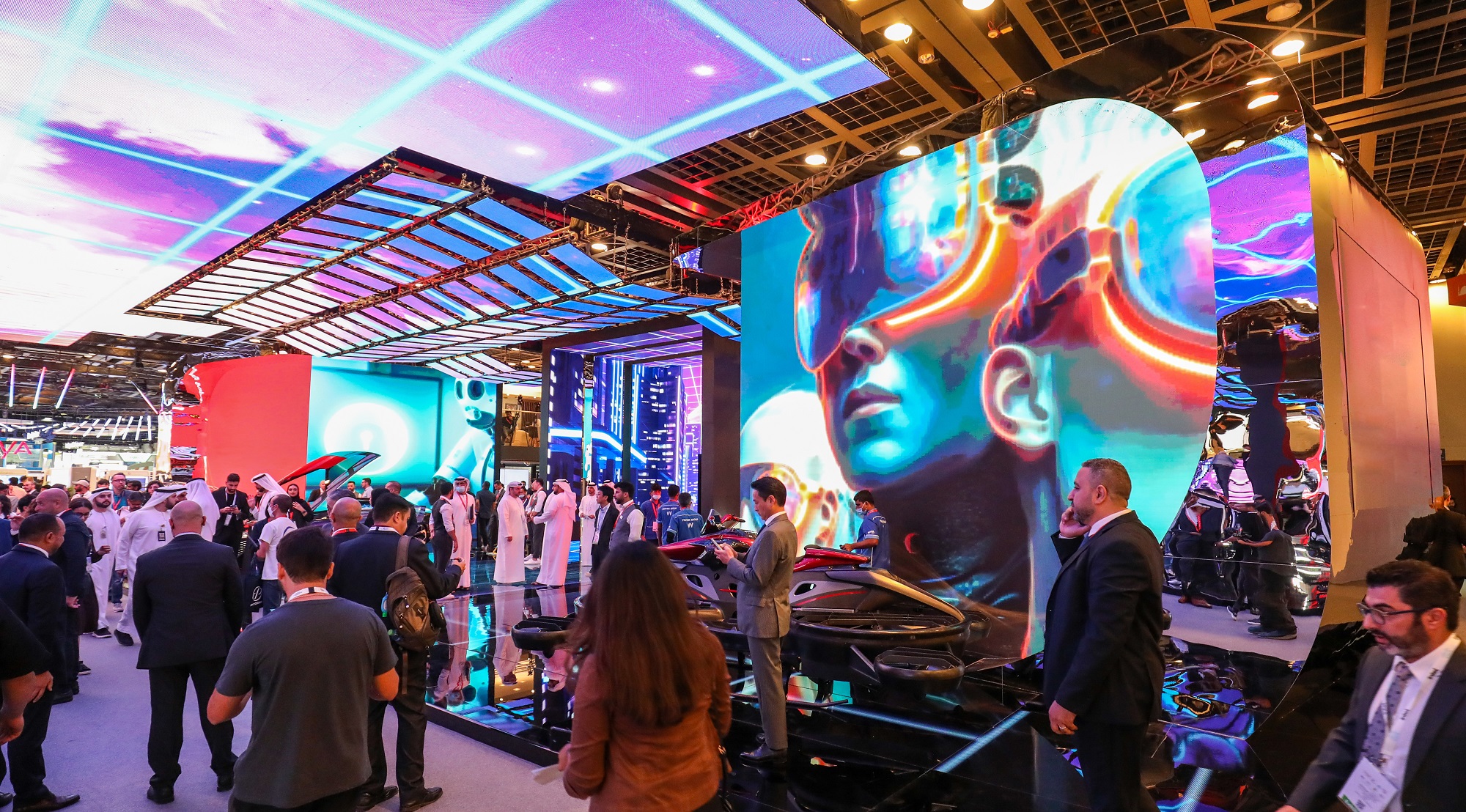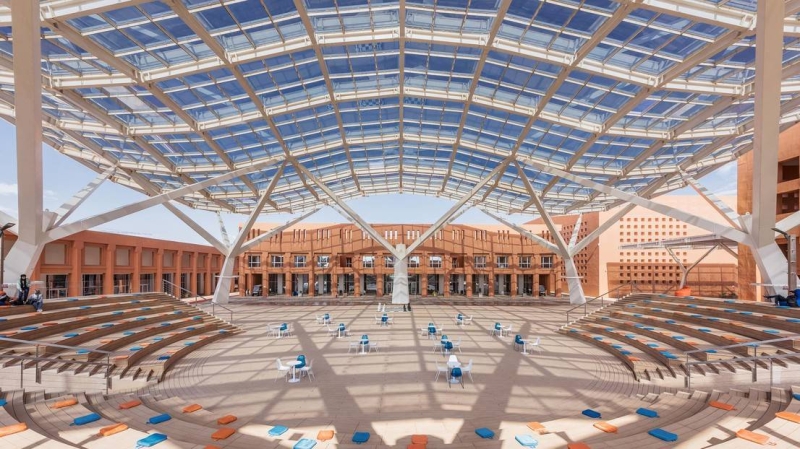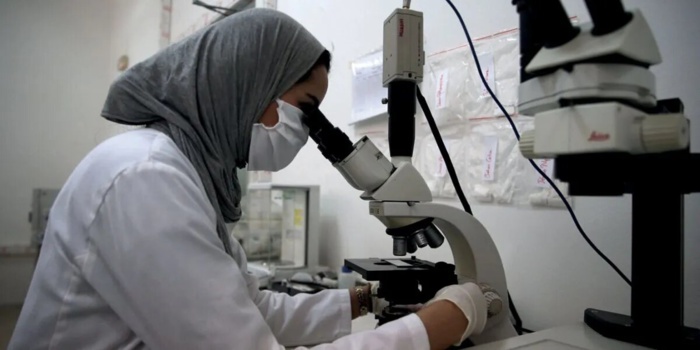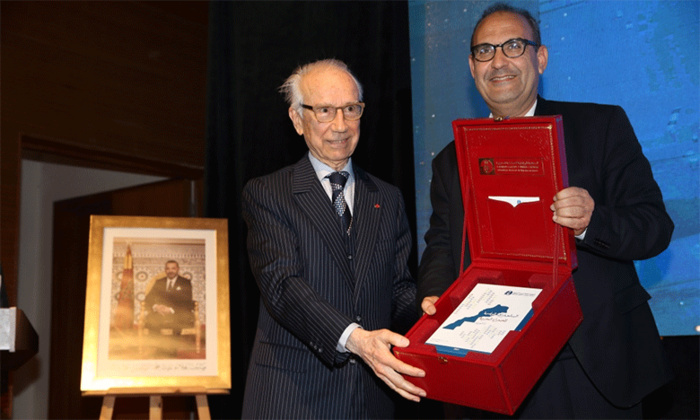

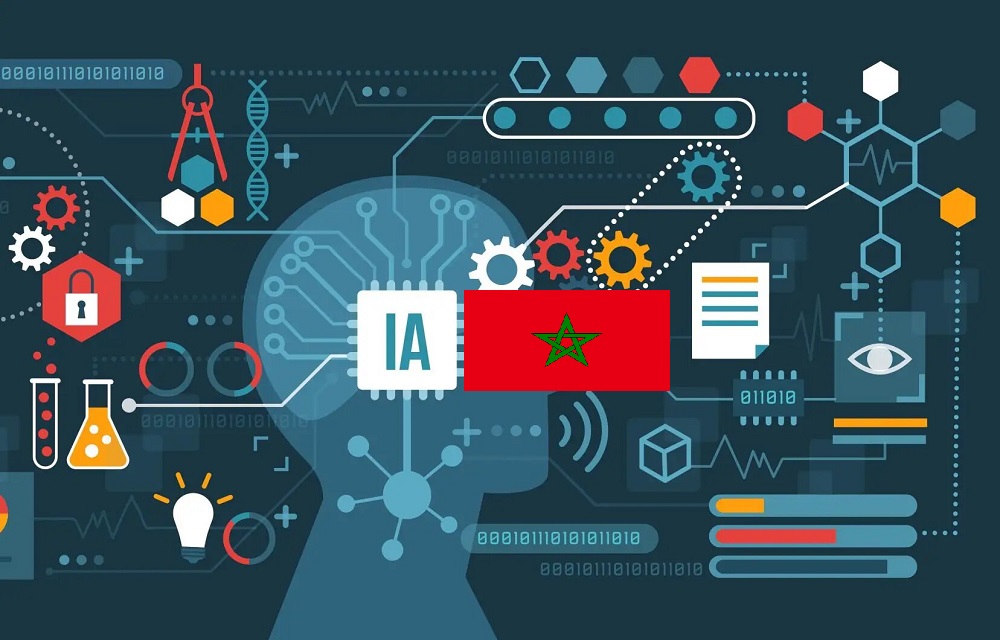
The growing ubiquity of Artificial Intelligence (AI) constitutes a global phenomenon, reflected in the twists and turns of international indicators. For Morocco, AI embodies a catalyst for accelerated transformation and a vector for strengthening its stature on the world stage. The Kingdom would be well advised to embrace a holistic approach to shaping ethical, human-centered AI in harmony with national values. Here are the elements to take into consideration in this vision, according to the Royal Institute of Strategic Studies (IRES). The horizon of globalization, whatever its future incarnation, is inevitably taking shape under the aegis of AI, affirms the summary report entitled “Artificial Intelligence of Trust: Lever of Change for Accelerated Development of the Kingdom”, published by IRES. Indeed, AI is seen by 90% of world leaders as a factor in growth of the global economy. By 2030, its contribution to global GDP is estimated between 12 and 15%, according to projections by the British firm “PricewaterhouseCoopers”, with revenues generated by this technology reaching up to $15,700 billion. Thus, IRES notes that AI offers innovative solutions particularly suited to the needs of Africa, particularly in key sectors of sustainable development such as health, education and agriculture. The continent is already considered by large technology companies as an emerging market. However, the AI situation in Africa remains uncertain, as the continent remains primarily a technology consumer and a testing ground for tech giants. Like most African nations, Morocco faces a major challenge in the field of AI, notably the absence of a bold national strategy, indicates the Institute. Despite this, remarkable initiatives, led by institutions and universities, stand out for their scale both at the national and international level, thus constituting a solid foundation for the development of a competitive AI ecosystem on a national scale. Among the initiatives cited by the report, the International Center for Artificial Intelligence “Ai Movement”, affiliated with the Mohammed VI Polytechnic University (UM6P), stands out as a bastion of excellence in AI and Data Sciences. This center has become a major regional hub, dedicated to the development of Moroccan expertise in Artificial Intelligence and Data Sciences. Likewise, EUROMED University played a pioneering role by proposing the creation of a large school, the School of Digital Engineering and Artificial Intelligence (EIDIA), whose objective is to train high-level executives capable of supporting major development projects in the countries of the Euro-Mediterranean basin and in sub-Saharan Africa, in the fields of digital and AI. There is also the TICLab of the International University of Rabat (UIR), which stands out as a cutting-edge research and innovation laboratory, focusing on the application of AI in specific “AI+X” sectors, including health, agriculture and education, as well as the Al-Khawarizmi-Smart project, funded by the private sector, which aims to integrate AI techniques to improve industrial processes in the mining sector. That said, the initiatives of Moroccan universities in the field of AI research place them at the top of international rankings. In 2023, Morocco rose to 4th place in Africa and 88th place globally in terms of readiness for the development of AI, according to the government’s Artificial Intelligence readiness index established by Oxford. Furthermore, a more in-depth assessment of AI in Morocco could be carried out by developing a ca Comprehensive rtography of projects and stakeholders involved. The gradual adoption of AI in the public and private domains is notable. Many projects of national and international scope are carried out by public administrations and start-ups, some reaching a high level of performance and reputation on a global scale. On the other hand, AI is a lever for change and strengthening Morocco’s international positioning. To take full advantage of this technology, the country should adopt a holistic, human-centered approach consistent with its values. This involves the establishment of a national trusted AI strategy, in harmony with international resolutions, and the progressive integration of AI into public policies and sectoral strategies, while encouraging the private sector to innovate thanks to AI. It is also, according to IRES, necessary to establish AI governance based on several principles. First of all, strengthen the role of the State by establishing a legal framework consistent with international standards. Then, consider the creation of an entity dedicated to the development of AI aligned with the values and development model of Morocco. Encouraging the establishment of AI steering committees in the public and private sectors, integrating ethical, regulatory, data management, social acceptability, impact on employment, transparency and interoperability aspects is also crucial. In addition, it is necessary to explore the impacts of AI at the national level, particularly with regard to employment (adaptation of the education system and the labor market), science and technology (scientific and technological monitoring), and economic sectors (gains in competitiveness and productivity). The Institute also recommends placing AI at the heart of the national economy by making this technology a key sector for Morocco and an internationally competitive value chain, by promoting it as a lever for industrial development, and by integrating it into sectoral strategies with the creation of specialized innovation poles, among other measures. It is proposed to elevate Morocco to the rank of scientific power in AI, through the promotion of talent training and scientific research in AI at the national level, the creation of specialized sectors applied to AI, and the encouragement of measures to attract national and international skills to counterbalance the brain drain. In terms of international relations, IRES recommends integrating AI among the global issues dealt with by Moroccan diplomacy at the international level, in the same way as climate change, chemical and nuclear weapons, and capitalizing on the diplomatic initiatives already undertaken at the international level in Africa and with international organizations (UNESCO, UN, African Union), with the aim of raising the positioning and visibility of Morocco on this subject of the future and attracting international projects and investments in this area. domain.