
With investments from China, estimated at more than 7 billion dirhams, the Kingdom is preparing to become a key producer of cathodes in the world. A press review from La Vie Éco.
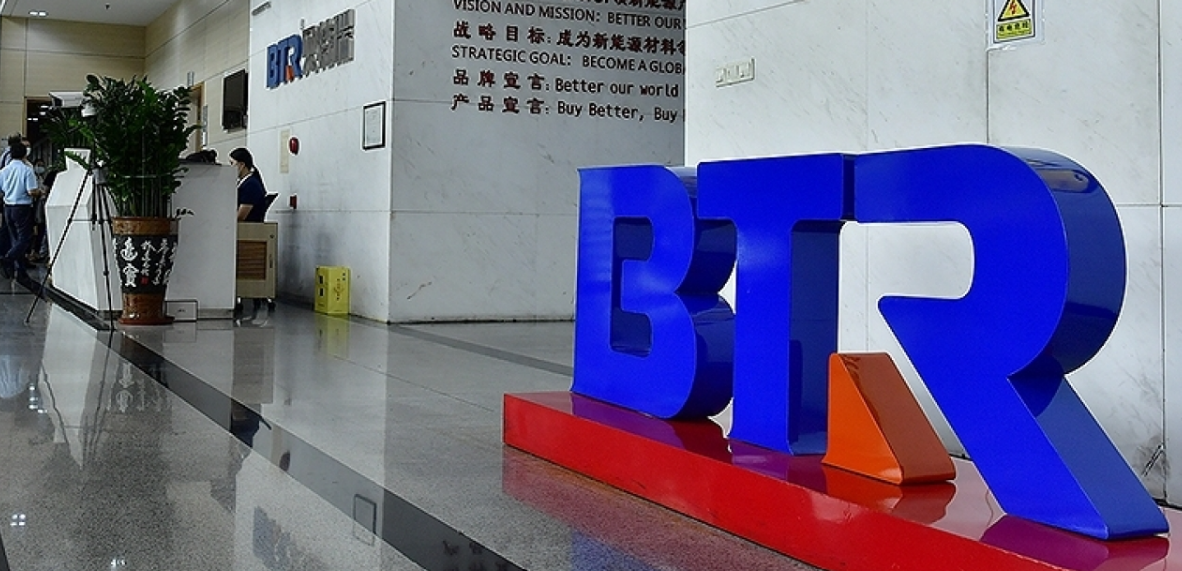
Morocco is on the way to becoming a key producer of cathodes,” writes La Vie Éco, which explains that with more than 7 billion dirhams of investments already announced by Chinese companies, the Kingdom will undoubtedly become “a global cathode pole,” in the words used by Benchmark Intelligence. According to this press agency, whose editorial office is in London, and which specializes in the supply chain of lithium-ion batteries for electric vehicles, more and more Chinese companies in this intermediate sector are investing in the Kingdom, where, to date, more than 7 billion dirhams have been injected for this purpose. In Morocco, the total capacity announced with regard to this production already represents around a quarter (i.e. 25%) of the total planned capacity of Europe, indicates La Vie Éco. A subsidiary of the China Bao’an Group and trusted supplier for the automobile manufacturer Tesla, the Chinese company BTR announced last December an investment of 4.9 billion dirhams in a new gigafactory. According to La Vie Éco, almost all of the cathode production in Morocco was added last year, thanks to a wave of Chinese investments (with announcements made by Huayou Cobalt, CNGR and Tinci). To explain this influx, the weekly specifies that one of the main factors attracting foreign investors is that of Morocco’s free trade links with the United States and European countries, which makes it an ideal operational base for Chinese companies wishing to penetrate these two major markets. Added to this factor are Morocco’s natural resources, including its phosphate reserves, a mineral essential for the manufacture of cathodes, because of its iron and lithium content. On this specific register, Morocco can also boast of holding colossal phosphate reserves, amounting to 50 billion tonnes, or nearly 71% of the world’s reserves of this ore.
source: fr.le360.ma