
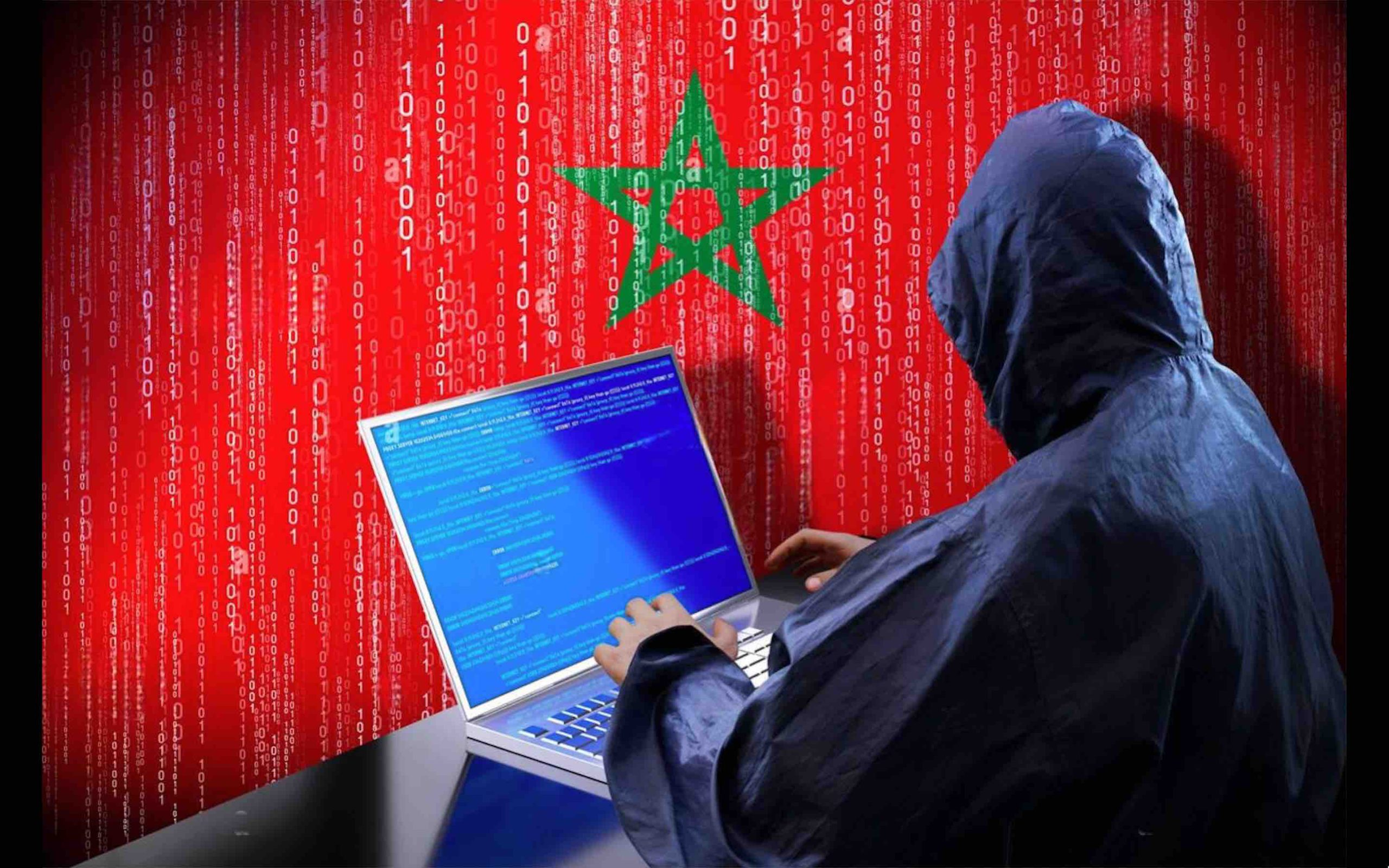
As cyberattacks and information manipulation target more and more countries, Morocco has further strengthened its strategy to protect its information systems and public opinion. This is what the second edition of the Annual Survey Paper (ASP) 2024 from the Royal Institute of Strategic Studies (IRES) states. In today’s interconnected world, information system security has become a priority. In Morocco, cyberwars are no longer an abstraction. In 2023, the Kingdom was targeted by an alarming number of cyberattacks, 52 million according to Trend Micro Incorporated, highlighting the growing vulnerability of its digital infrastructure. In response, the General Directorate of Information Systems Security (DGSSI) put in place, in 2011, a solid cybersecurity framework that the country is continually strengthening. Faced with the scale of threats and the increase in global cyberattacks, Morocco unveiled an ambitious national cybersecurity strategy in July 2024, targeting 2030. This plan includes technological improvements, an increased effort in the training of human resources, and attention to research and development to anticipate future cyberthreats. But the challenge is twofold. In addition to computer attacks, there are cognitive wars, a subtle phenomenon, which aims to manipulate public opinion and influence political and social institutions, explains the IRES. The report underlines that this issue, which does not spare Morocco, requires a response at several levels. For the institute, the Kingdom must promote a culture of information verification among its population to counter fake news and other manipulations. In this sense, educational policies based on fact-checking are crucial to guarantee the resilience of citizens in the face of disinformation. In addition, close cooperation with GAFAM (Google, Apple, Facebook, Amazon, Microsoft) is essential to monitor and control online information flows, thus contributing to the fight against cognitive attacks, continues the same source. Morocco could also benefit from international partnerships to exchange know-how and advanced technologies in cybersecurity. It should be noted that this battle, imposed by the advent of the Internet and new technologies, concerns countries around the world. According to the ASP, one of the first cyberattacks probably occurred in 1986, when East Germany targeted MILNET in order to access confidential information. Between 2015 and 2022, the cost of cyberattacks increased from 3,000 to 8,400 billion dollars. In addition, the Institute indicates that cyberwars are increasingly used, as means to destabilize the adversary or to carry out fraud. This is why state actors and companies must develop cybersecurity systems to defend themselves against cyberattacks and thus protect their information systems.