
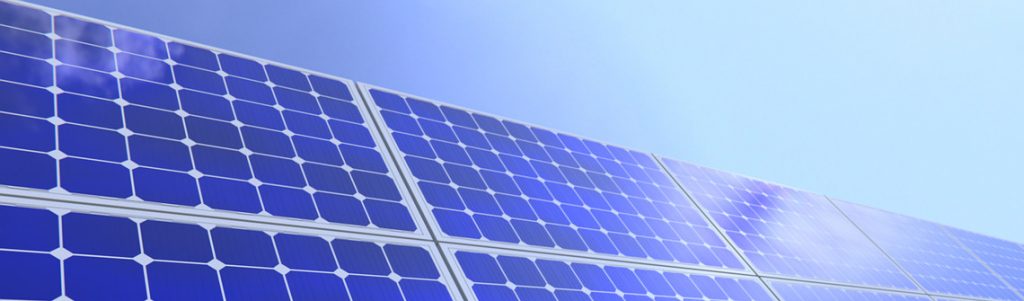
In addition to the contracts signed during Emmanuel Macron’s visit last October, Morocco recently took a new step in its ambition to become a key player in green hydrogen. The Moroccan government announced the selection of several national and international investors for the implementation of six major projects linked to the production of this clean energy source. These initiatives confirm the Kingdom’s commitment to the energy transition and position it as a future world leader in this strategic area. The amount of investments allocated to these projects is considerable, exceeding 30 billion euros. In order to achieve this ambition, the government has identified more than one million hectares across the country for the development of this sector, of which 300,000 hectares will be quickly made available as part of the first phase of the projects. This land allocation demonstrates Morocco’s desire to accelerate the implementation of its energy objectives by fully exploiting its natural and geographical potential. Among the selected investors, we find several renowned international consortia. The first consortium is made up of the companies Ortus (United States), Acciona (Spain) and Nordex (Germany), while the second brings together the Chinese companies UEG and China Three Gorges. These consortia will focus on the production of ammonia, a nitrogen derivative of hydrogen which has the advantage of being easier to transport than hydrogen in its raw form. This production relies on water electrolysis, a process powered by electricity from renewable sources such as solar and wind energy. Another group of investors includes the companies Taqa (United Arab Emirates) and Cepsa (Spain), which will be in charge not only of the production of green ammonia, but also of decarbonized industrial fuels. The Moroccan company Nareva is also committed to manufacturing these products while expanding its activities to the production of green steel, a key sector for industrial decarbonization. Finally, the Saudi company ACWA Power was also appointed to contribute to the production of this same material. The growth of these projects is part of a broader framework, marked by the signing of two major contracts during Emmanuel Macron’s visit to Rabat last October. The first project, called “Chbika”, brings together TotalEnergies, the Eren group and two Danish investment funds. It aims to launch preliminary studies for the construction of onshore solar and wind power plants with a capacity of one gigawatt (GW). These infrastructures will produce the electricity necessary to power an electrolysis process to transform desalinated seawater into green hydrogen. The latter will then be converted into green ammonia, with annual production estimated at 200,000 tonnes intended for the European market. The second contract, for its part, concerns cooperation between the Moroccan group OCP (Office Cherifien des Phosphates) and the French company Engie. This strategic partnership provides for several investments in the field of renewable energies, with a particular focus on the production of green ammonia and the exploration of hydrogen derivatives, such as e-methanol and e-SAF (electro-fuels for sustainable aviation). These initiatives illustrate Morocco’s integrated approach to energy transition and its desire to establish itself as a hub for the production and export of green hydrogen. The Kingdom has already laid the foundations for this ambition by setting up, since 2019, a National Green Hydrogen Commission. This brings together public and private actors and its mission is to supervise studies and monitor the implementation of the national roadmap for the production of hydrogen and its derivatives from renewable energies. Thanks to these efforts, Morocco aims to produce 52% of its energy from renewable sources by 2030, compared to around 35% currently. According to a report from the World Economic Forum, Morocco is among the six countries in the Middle East and North Africa best positioned to produce low-carbon hydrogen, alongside Egypt, Qatar, Oman, Saudi Arabia and the United Arab Emirates. Projections indicate that these nations could represent up to 21% of global clean hydrogen exports by 2050. Morocco has considerable assets to position itself as a leader in this emerging industry. In addition to its strong solar and wind potential, the country benefits from a strategic geographical location which allows it to efficiently supply the European market with green hydrogen. In addition, its political stability and attractive regulatory framework provide a climate conducive to large-scale investments in this sector of the future. By consolidating its place on the international green hydrogen scene, Morocco aims not only to contribute to the global energy transition, but also to strengthen its energy sovereignty and open new economic and industrial perspectives for the decades to come.