
While the CupAfrica nations 2017 has just finish, placing the Cameroon at the top of the football performances of the countries of the continent, today it is the turn of the African cities to be classified according to quality of life.
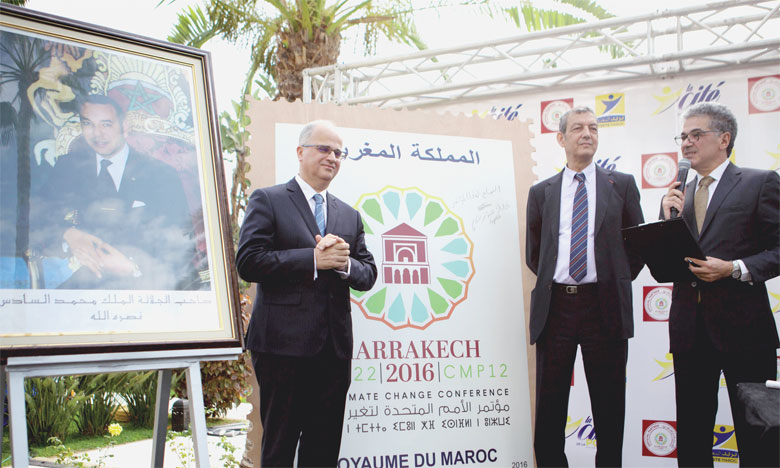
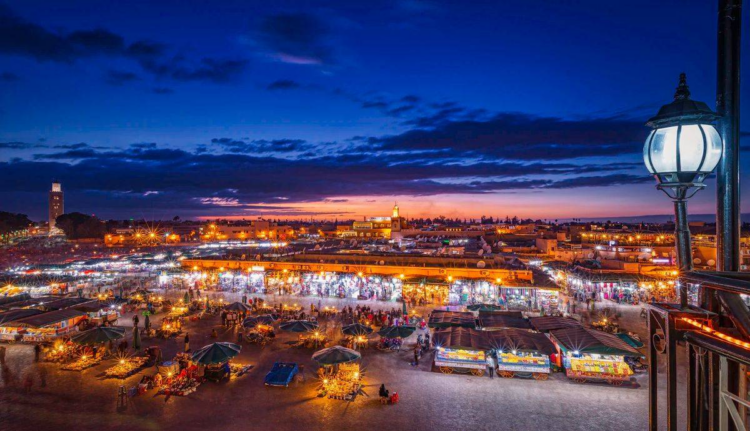
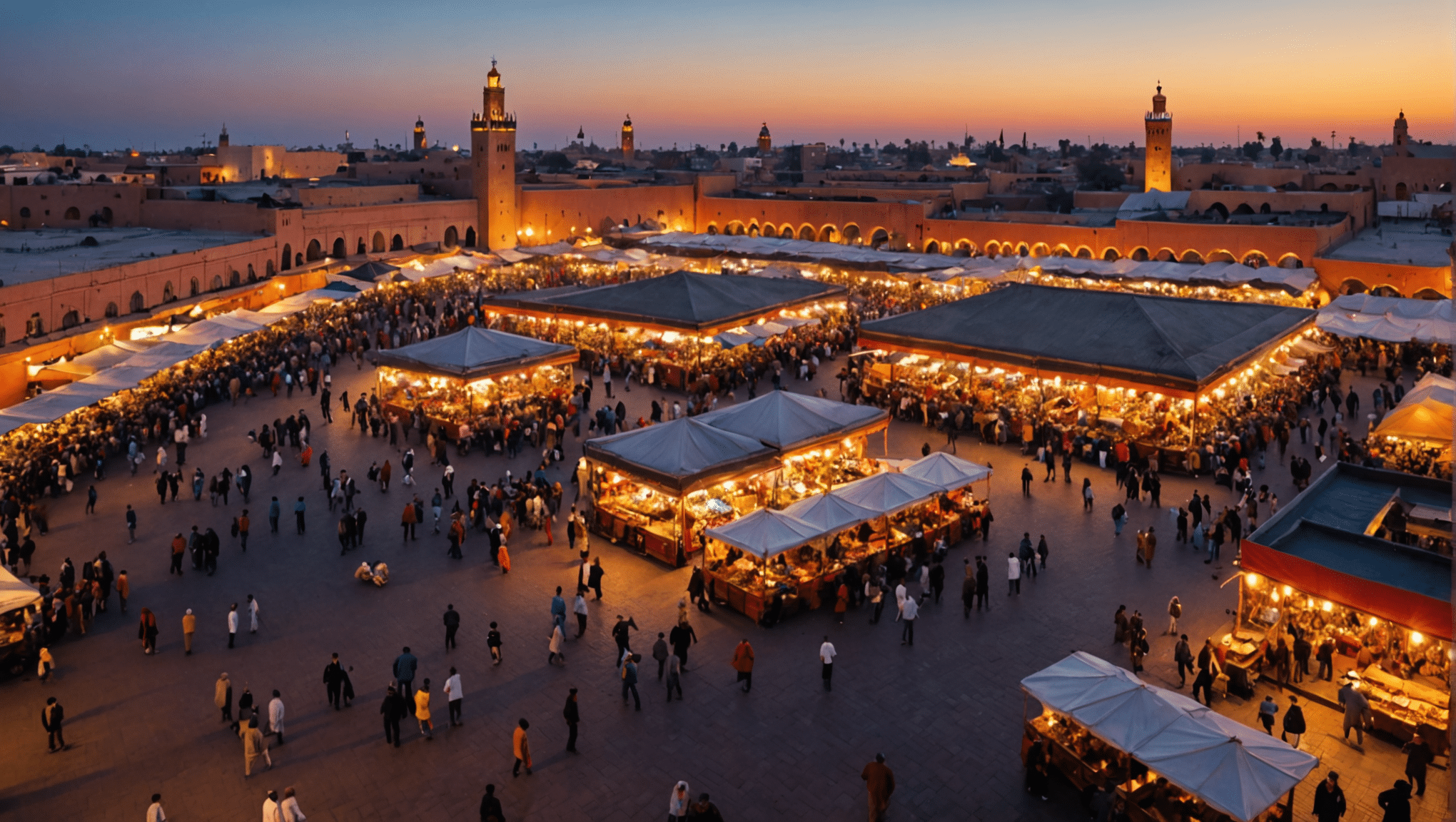
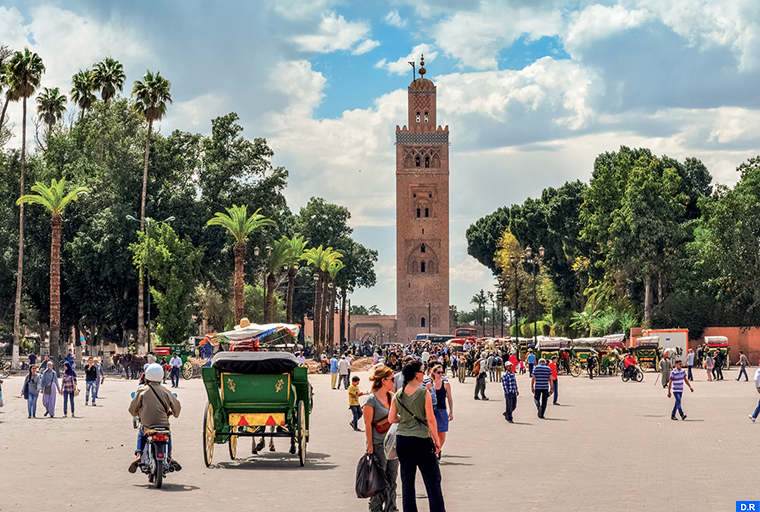
Where is it good to live in Africa? The ranking of the Ecole polytechnique de Lausanne (EPFL) and the magazine Afrique Méditerranée Business (AMB), a first, published Tuesday February 21, without much surprise attributes the victory to Marrakech, just ahead of Johannesburg and Alexandria, followed by Port-Louis, the capital of Mauritius, Casablanca, Tunis, Cairo, Rabat, Cape Town and Fez.
Thus, no fewer than four Moroccan cities and seven North African cities are found in the top ten places in the ranking. If we expand to the first twenty cities, the South Africa is the fourth highest rated country, also placing Pretoria and Durban. As for the whole of the Maghreb, it takes almost half of the places (9 out of 20).
Voluntarism
Most of the usual classifications focus on the potential of development for foreign investors or the cost of living for expatriates. For the first time, the ranking reflects the quality of life in each city for its own inhabitants, rich, poor, young, old, migrants or natives.
Read also: Three African capitals among the most expensive cities in the world for expats
The score obtained is the average of seven themes: society, habitat, spatial development, infrastructure, environment and ecology, governance and economy. Each theme is made up of around ten simple indicators, that is to say themselves the result of several criteria. This work collecting data took almost a year. It was carried out, under my responsibility, by researchers from the Ecole polytechnique de Lausanne and will be published in full from April, then updated each year.
Reading the results shows that it is the cities that have understood the role that the urban could have both as a powerful economic driver and as a criterion of attraction which are the best ranked. Marrakech, Johannesburg and Casablanca are the most striking examples: they create andattract investments and these are reflected sustainably in the housing and infrastructure, which will attract new residents. The success of Moroccan cities can be explained by stability political and economic of the country, but also by the voluntarism of the kingdom in at least three areas:
- Develop diversified tourism (urban, seaside, mountain and desert tourism).
- Investing in urban marketing for integrate the network of global cities – the new We Casablanca logo has been criticized by the press but demonstrates this effort.
- Create tens of thousands of housing units, notably with the “city without shantytown” program at to leave from 1999, entrusted to the National Agency for the Fight against Unsanitary Housing.
- Invest in infrastructure, such as public transport, but also in less visible urban networks, water and electricity.
Kigali at 54th place
In the ranking, Dakar does well, in 23th place. But with the ambitious programs that we owe to the dynamism of the mayor, Khalifa Sall, the Senegalese capital will undoubtedly gain a few more places when these projects are taken into account by future versions of the EPFL-AMB ranking.
In contrast to Dakar, Kigali is poorly ranked, in 54th position, even though it is an example for the entire continent of rigor in urban management and cleanliness. The political leaders and technicians responsible for African cities come today on a quasi-pilgrimage to Kigali for admire, in particular, the cleanliness of the streets! Except that this does not seem sufficient for make a quality of life. In fact, Kigali has embarked on urban zoning which applies to the letter the famous Athens Charter for “functional cities”, written in 1933 by Le Corbusier, while Western cities are now trying to follow it to spread. Rwandan muscular management organizes the informal with zones of housing, commerce, services, etc., but also creates the need to move more between areas, generates a certain social segregation and does not produce the best results in terms of access to housing.
Addis Ababa (35e) should like Dakar gain a few ranks in the rankings in its next editions, when the efforts on the field will be transformed into statistics. The Ethiopian capital, which has become the African crossroads of reference thanks to Ethiopian Airline by welcoming the Boeing 787 Dreamliner and soon the future Airbus A350s, has also invested in infrastructure such as the tram or the Centre for conferences of the African Union (AU).
Brazzaville (42e) also hopes to move up in the next ranking, after having updated its reference documents in terms of town planning, economic development and its tourism strategy. Brazzaville, which will host the next Africité summit (after Johannesburg in 2015), should also move up a few places in the ranking.
Accessibility and data production
A look more closely, this ranking raises the question of the accessibility of African cities, whether from other cities on the continent or from the Europe, Asia and America. A journey from Nouakchott to Kigali, two cities which have brand new airports, will cost at least 1,700 euros, 30 hours of flight and 3 stopovers. This is an important area for reflection for the future of African cities and an explanation of one of the many obstacles to economic development.
This study is also the opportunity to show that there is no relationship between the size of the city and its place in the ranking. Cairo, Kinshasa and Lagos do not monopolize the first places while Praia (12e) or Port-Louis (4e) obtain very good results even if their role as capital is fundamental.
Finally, you need to to observe that there is no correlation between the system politics of a given country and the ranking of its cities. This questions the relevance of the programs of certain development agencies, which condition their help in holding this or that election.
Beyond accessibility or the size of cities, this type of classification international encourages reflection on urban data. Cities that produce little or none penalize themselves. This data is public, but not always easy to access. Among the dozens of indicators that we took into consideration, some are not provided at all. In the health sector, for example, we needed the number of hospital beds per 10,000 inhabitants, but some cities never counted them. Others make an effort, but do not update their data.
Read also: And China invented urban sprawl in Africa, thanks to motorcycle taxis
In the past, the rich man was the one who held information and guarded it jealously. But, with the advent of the Internet, open science, media free access, the rich man is the one who shares. The same goes for cities, where the most generous in data are those which are at the top of the rankings. Today they have an interest in collect all kinds of statistics so that their daily work is visible and valued.
This is ultimately what this innovative long-term ranking of African cities allows: see if investments and public policies have an impact on the quality of life of their inhabitants. And that’s why we’re going to follow the progress of African cities for many years.