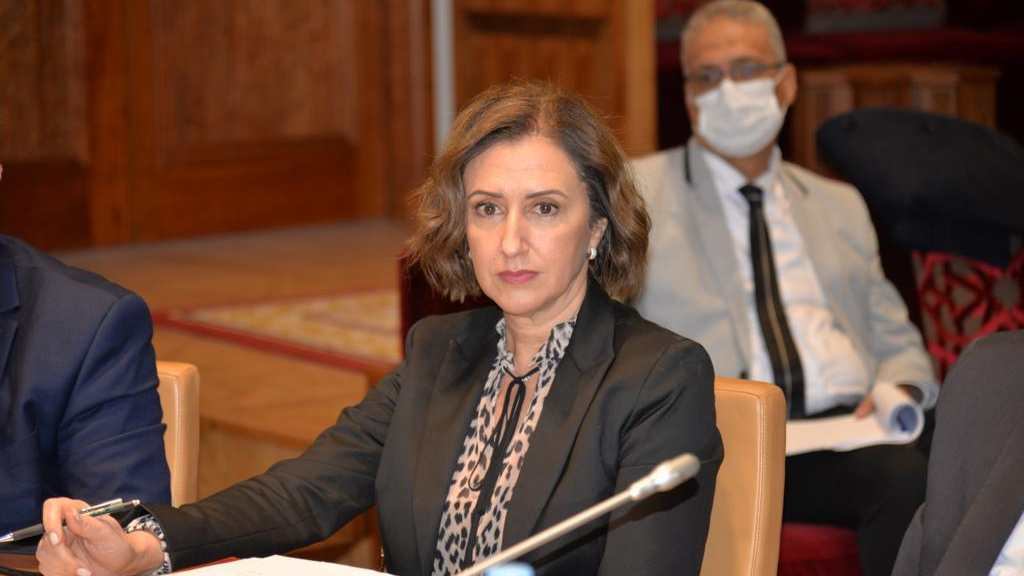

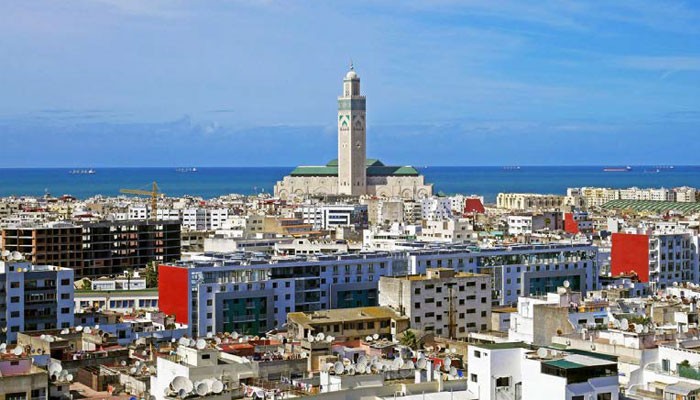
Two and a half years after the launch of the Greater Casablanca development plan (PDGC 2020), it is time for a mid-term review. To communicate on the projects underway in all directions in the territory of Greater Casablanca, the wali of the Casa-Settat region, Khalid Safir, chose to address an audience made up mainly of students and teacher-researchers from Hassan II University.
An exercise that the wali has already taken part in. Moreover, at the launch of the PDGC, Safir toured several establishments and major schools (HEM, Ecole Centrale, Essec, etc.) to outline its broad outlines.
“Projects are being completed, while others will be started in a city transformed into an open-air construction site, but this is the price to pay to provide it with equipment and infrastructure meeting international standards,” says Safir.
To date, more than 25.3 billion DH are committed to the various projects underway, including 9 billion coming from the 10 conventions (signed before the Sovereign on September 26, 2014).
“The remaining 16 billion are the result of public investments committed between 2015-2016 and from other programs, such as the grand theater or work in the port of Casablanca,” explains the wali. In other words: almost a quarter of the amount dedicated to the PDGC (33.6 billion DH) has been used to date.
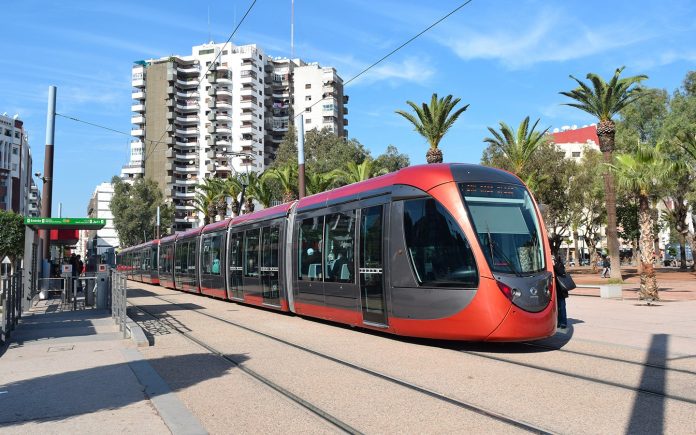
The mobility component takes up the lion’s share of these investments. If the majority of this budget was devoted to the on-site transport network (5 tram lines and 2 BRT lines), the bus transport sector will in turn experience, from 2019 (date of the end of the M’dina Bus contract), a total renewal of the fleet and the adoption of a new management method. The wali also reviewed the various infrastructure works (node A, the cable-stayed bridge, etc.).
In addition to the 2 hoppers already under construction (at the Azbane crossroads and the prefectures on the El Jadida road), 3 other similar structures are planned. Work will in fact start this month for the construction of the hoppers, Almohades (not far from the Hassan II mosque), Sidi Abderrahmane (on the road to Azemmour) and My Ismaïl (next to the Aïn Sebaâ zoo).
More than a hundred km will be affected by work in the coming months. On the program in particular: the tripling of the motorway towards the airport, the tripling of the bypass motorway and the doubling of the RN9 linking Mohammedia, Aïn Harrouda, Tit Mellil and Médiouna.
On the parking axis, the wali stressed that an additional capacity of 930 spaces will soon be available in the city center, after the completion of work on “Parking Rachidi” and “Place Mohammed V”. Both are already ready awaiting their official inauguration. In all, 25 to 30,000 parking spaces will be managed by SDL Casadev, including 13,000 in the hyper-center, 6,000 in Maârif and 10,000 in the rest of the Casablanca territory.
Calls for tenders will soon be launched for the construction of parking lots in Ben Barka Square (500 spaces), Derb Omar (500 spaces) and Maârif Ibn Toufail (1,000 spaces). Not to mention the park and ride facilities which will be set up at the ends of the tram lines to encourage users to abandon their vehicles at the entrance to the city.
Another project on the mobility aspect, that of the central traffic control station (PCC). “It will be put into service this summer,” announces Safir. In its first phase, the PCC will automatically regulate 30 intersections, using 200 cameras. These tools are programmed to measure the length of traffic queues and adapt waiting times at intersections.
source: leconomiste