
To overcome this situation, a strategy was developed as part of the vision 2020 program contract. The main axes of this strategy were presented to the general assembly (AG) of the Regional Tourism Council of Rabat (CRT), held last week, under the presidency of Hassan Amrani, Wali of the region. “This is the product aspect of the strategy that we have just completed, which will allow us to soon attack the promotion part,” indicates Nadia Benslimane, CEO of the CRT. According to the latter, the program contract is in the validation phase by elected officials and authorities in the region. The 2020 vision aims to “position the region as the Green Cultural Capital, in which tourists can recharge their batteries during a business trip and potentially extend it”. For Benslimane, the region could structure the growth of its tourism around 2 major axes. The first consists of continuing the development of major projects in progress (Bouregreg Valley, Nations Beach, Rabat Corniche, etc.). This will contribute to consolidating the development of the offer for business tourism and enriching the product with a cultural and leisure offer: museums, amusement park, circuits, golf, etc. The second axis concerns the development of rural and niche tourism, particularly nautical at the level of Khemisset. In figures, “our ambition through this strategy is to enable our region to welcome more than a million tourists per year in 2020 compared to nearly 700,000 visitors currently,” says the head of the CRT. This will make it possible to improve the revenues generated by the sector to reach 6.4 billion DH in 2020. On the social level, those responsible hope to reach 48,000 jobs compared to 28,600 people active in the sector according to data for the year 2010.
To achieve these objectives, the program contract provides for a series of actions and achievements within the framework of 56 projects covering 4 programs. The first concerns the development of heritage and heritage with 17 projects. Among them, we note the development and development of the Chellah site, as well as the medinas of Rabat and Salé. The rest of the projects are distributed across other programs: Biladi, eco-tourism and sustainable development. To support these programs, the Rabat region must address its weaknesses in terms of promoting the tourism sector. The most important concerns the increase in litter capacity with the construction of new establishments.
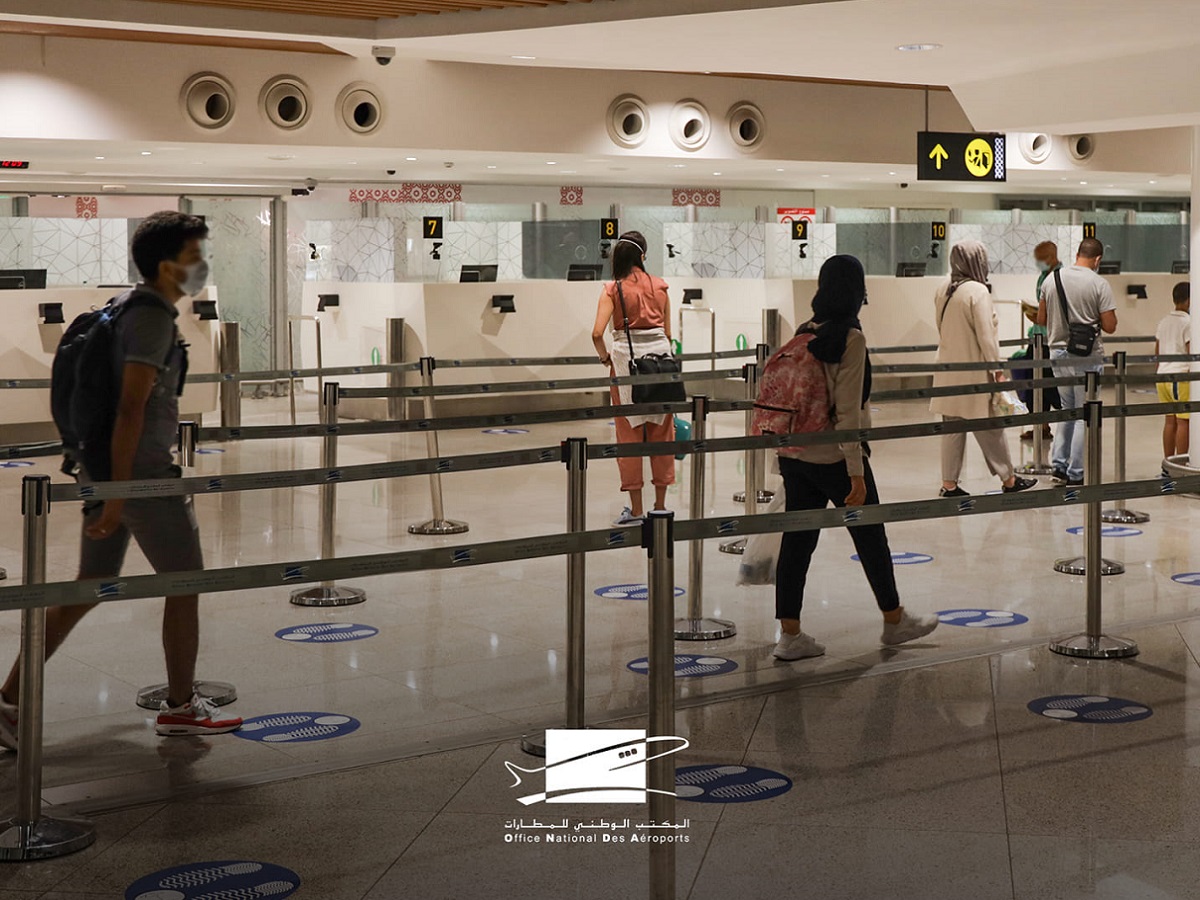
Concerning this point, the Wali recalls the ongoing projects of 5 hotels bearing prestigious brands for a total capacity of nearly 1,400 beds. Actions are also being taken to improve international accessibility to the region, which remains very limited. Thus, according to the management of Rabat-Salé airport, more than ten services to France and Belgium were launched from April 30, provided by the two companies Ryanair and Jet Airfly. Others are planned by the latter from next June. We must not forget to provide the CRT with the necessary financial means to enable it to support Rabat in taking advantage of its new status as a heritage of humanity.