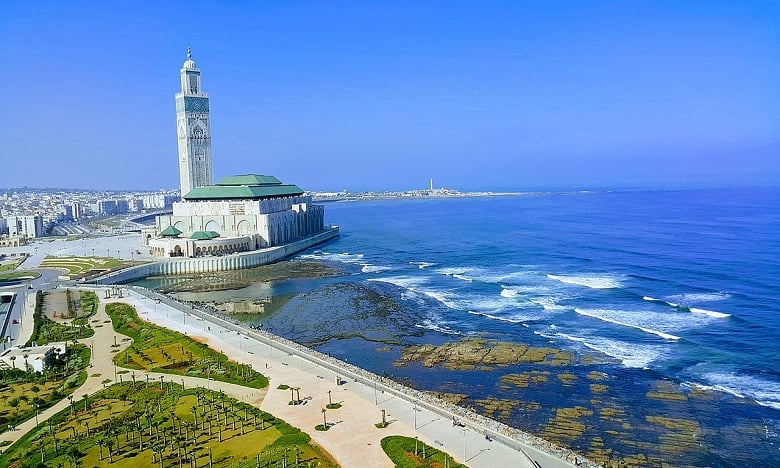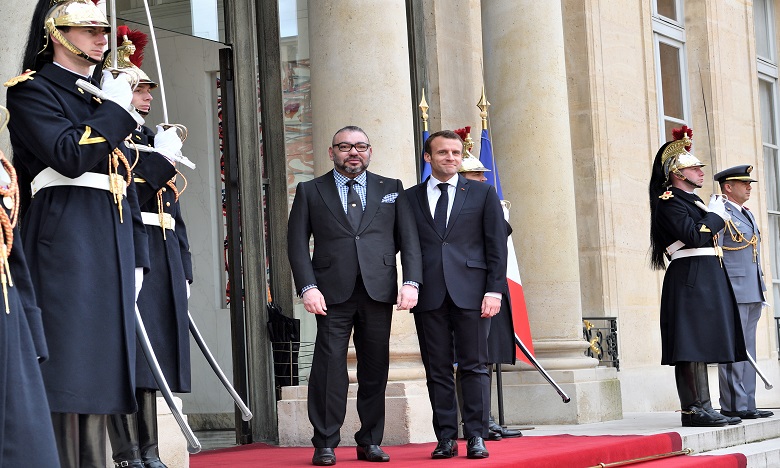

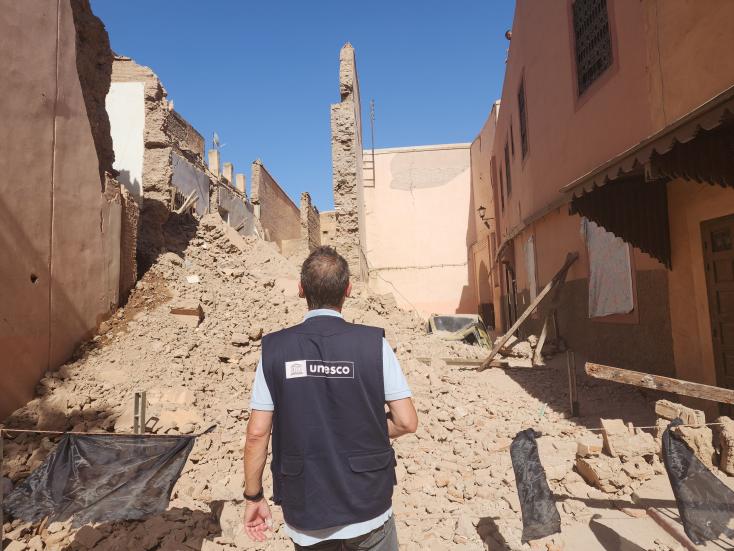
Morocco experienced, during the night from Friday to Saturday, the largest earthquake in its history. The human toll is terrible: a final provisional report, this Monday afternoon, showed at least 2,500 deaths. The cost of repairs is estimated at at least one billion euros. But despite this tragedy, “there are relatively few tourist cancellations,” indicates Jean-Pierre Mas, president of travel companies. It must be said that the tourism sector, constantly growing across the planet, weighs « so much today that even natural disasters no longer affect it », notes Ulrike Schuerkens, anthropologist and professor at Rennes-2 University, specialist in development issues in the countries of the South. In Japan or Thailand, a surge in tourism despite disasters There is no shortage of examples of this extreme resilience. In 2015, a 7.8 magnitude earthquake struck Nepal, killing more than 8,000 people in the country. The following year, the roof of the world returned to normal tourist numbers (753,000 arrivals in 2016, compared to 790,000 in 2014, according to World Bank data). The same goes for the tsunami in Japan in 2011, which killed more than 15,000 people. Over the year, the country retained 72% of its 2010 tourist frequency. From 2012, it returned to the same attendance as in 2010. Since then, the number of visitors has soared. From 8.3 million visitors in 2012, Japan increased to 31 million in 2019.
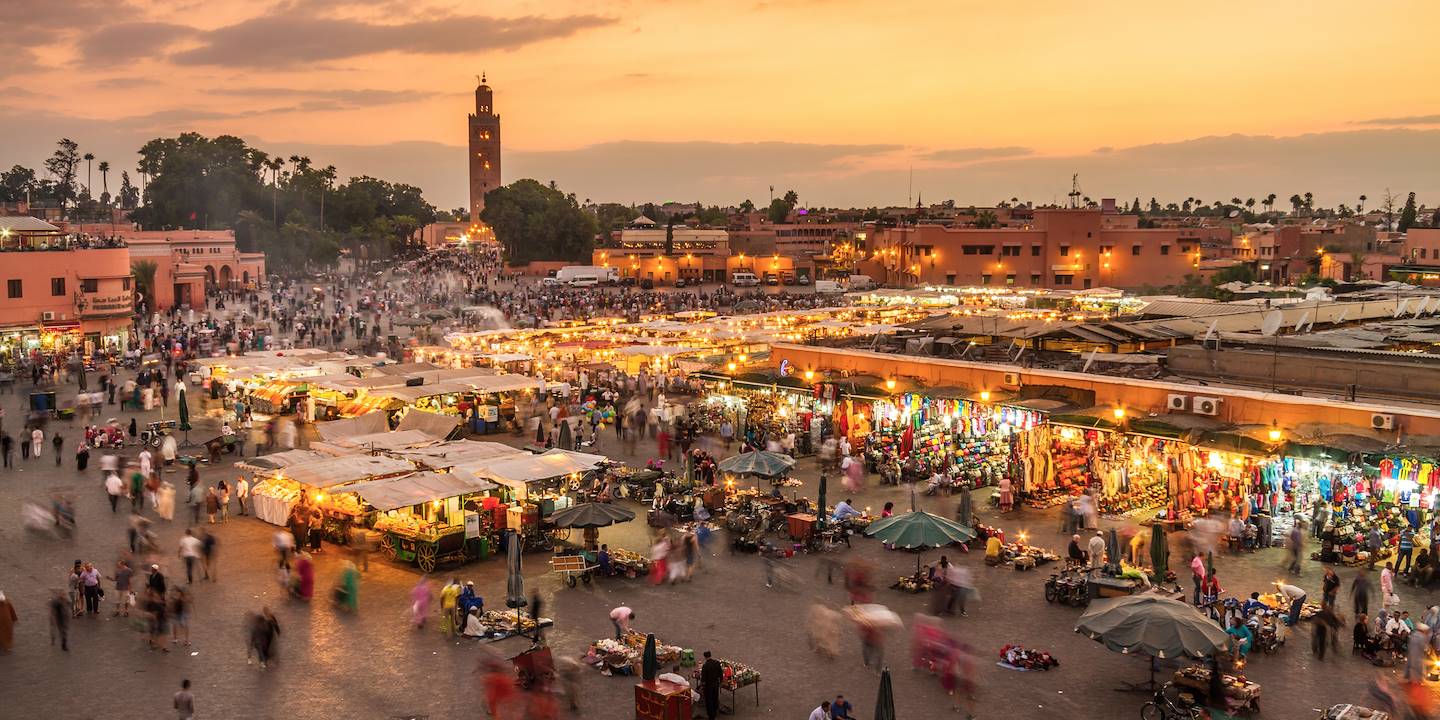
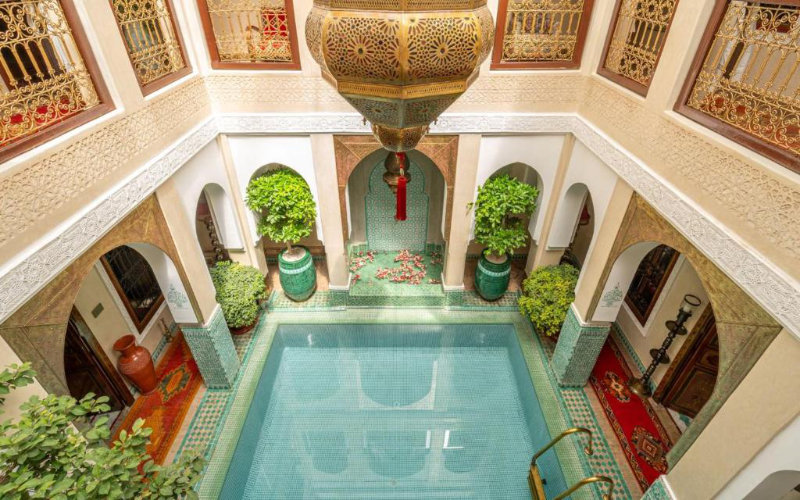
Another example with Thailand, after the tsunami of December 2004, the biggest natural disaster of the 21st century with more than 250,000 people missing in Asia. Despite everything, Thailand will welcome more tourists in 2005 than in 2003, and the total continues to soar: 10 million in 2003, 40 million in 2019. Danièle Küss, former head of the International Tourism Development division at the Ministry of Foreign Affairs, recalls studies carried out on the impact of this disaster: “In the days and weeks that followed, there was of course a drop in tourist consumption, particularly because infrastructure was affected. But the travelers returned very quickly. The National Tourism Office concluded that no disaster was capable of reversing tourist flows in the medium and long term. » For the tourism sector, “the programs must continue” Same confidence in time for Jean-Pierre Mas. “This kind of disaster is obviously a tragedy, but for the tourism sector, the impact is often very short-lived. After one to two months maximum, attendance in Morocco will return to normal,” he predicts. The consequences should be even less in the present case, according to Didier Arino, director of the Protourisme firm, “since tourist buildings have demonstrated their seismic efficiency. There were extremely few injuries to tourists and very little damage to infrastructure. » No airport is at a standstill, just like the overwhelming majority of hotels in Marrakech. From France, only one flight to Morocco was canceled following the earthquake – a RyanAir Beauvais-Marrakech connection early Saturday afternoon – and no return flight. In a press release, the Union of Tour Operating Companies (Seto) recommended this weekend “that the programs continue to take place for customers currently in the hotel structures of Marrakech”. Tourism, an essential sector for Morocco And even if the Medina, the tourist heart of the city, has suffered damage, “Marrakech has such a reputation and such an aura that it should continue to attract,” believes Ulrike Schuerkens. Especially since the Moroccan tourist season lasts until April, adds Jean-Pierre Mas, which gives time. And Morocco will really need it: the tourism sector represents 7% of its GDP and was back in shape after the difficult Covid years. In the first half of 2023, +92% attendance and +69% revenue compared to last year, according to the country’s tourism office. “The choice of travelers to come anyway is necessary in Morocco to maintain its economy and recover as quickly as possible from this tragedy,” said Didier Arino. A mission far from impossible. “It is no coincidence that attendance exploded in Thailand a few years after the tsunami,” concludes Danièle Küss. Not only does this type of drama give a very strong media impact to the country, likely to attract people, but it is also an opportunity to better rebuild the affected areas and develop their tourist appeal. » Morocco expected to welcome 13 million foreign tourists this year, as many as its record year of 2019, including more than 4 million in Marrakech.
source: 20minutes.fr