
Urban Tourism: 4th World Summit in Marrakech. Good visibility for Morocco’s leading tourist destination.

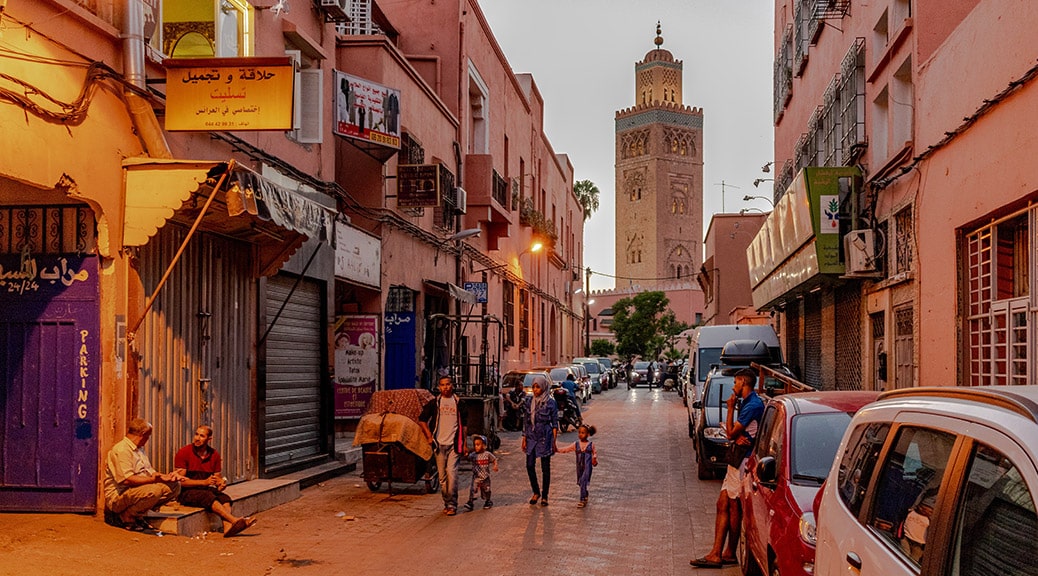
Marrakech hosted the fourth World Summit on Urban Tourism, co-organized by the Ministry of Tourism, the World Tourism Organization (UNWTO) and the Marrakech Regional Tourism Council (CRT), on December 14 and 15, 2015. The summit, with the effective presidency of Taeib Rifae, SG of the UNWTO, aimed to understand the model changes relating to the major trends in the urban tourism market. tourism, to study consumer practices and behaviors, and to adapt to changes, using effective strategies and innovative practices in planning and governance.

Marrakech hosted the fourth World Summit on Urban Tourism, Co-organized by the Ministry of Tourism, the World Tourism Organization (UNWTO) and the Marrakech Regional Tourism Council (CRT), on December 14 and 15, 2015. The summit, with the effective presidency of Taeib Rifae, SG of the UNWTO, aimed to understand the model changes relating to the major trends in the urban tourism market. tourism, to study consumer practices and behaviors, and to adapt to changes, using effective strategies and innovative practices in planning and governance.
The themes of the summit revolved around:
– Characteristics of urban tourism; the positioning of urban tourism on the global market: quantitative and qualitative method.
– Sustainable development and effective management of competitive urban destinations as complex and plural systems of phenomena and networks
economic, social and environmental intertwined: “the overall quality of the experience lived by the visitor”.
– Spatial organization and renovation of “tourist towns”: “tourism accessible to all” and “cultural heritage management”.
– Connectivity and competitiveness of urban tourism.
– The impact of the conference and mega events sector.
Urban tourism creates the spatial dynamics necessary to transform the landscape of cities through an improvement of public space, public infrastructure and connectivity, and through the development of local amenities and leisure structures. Urban tourism confirms, today more than ever, its role in stimulating local economic growth thanks to its complementarity with other economic activities, and its contribution to GDP, job creation, foreign currency entry and the export of services; it also constitutes an ideal tool for seizing the opportunities brought about by urbanization.
Tourism constitutes, for many cities around the world, a central pillar of the economy, social life and urban geography. The volume of urban getaways
increased by 47% on a global scale during the . Important cities like Moscow or Barcelona are now part of a policy of developing urban tourism, as a means of
development and enhancement of the city.
The first three UNWTO Urban Tourism Summits, held in Istanbul (2012), Moscow (2013) and Barcelona (2014), gave birth to an interdisciplinary platform on which several urban destinations around the world demonstrated a deep understanding of new urban tourism paradigms and adopted a common vision to adapt to changing travel habits.
consumption and the evolution of urban environments.
As a reminder, the three previous editions are as follows: · 1st World Summit on Urban Tourism, Istanbul in 2012, on the theme “Urban tourism: Catalyst for economic development and social progress”, was
an opportunity to bring together UNWTO Affiliate Members and other relevant public and private sector stakeholders to create a platform for dialogue on current and potential opportunities and challenges for cities and to establish in a concerted manner a set of general guidelines offering integrated and relevant content that can serve as a reference for actions to be taken by cities across the world.
world.
· 2nd Summit in Moscow in 2013, on “innovative strategies to improve competitiveness and develop new business models”. It served as a platform
to present the prototype of the “Madrid Precious Time” project, the first attempt to create models that relate to specific areas and that can be
reproduce in other destinations. It also provided an opportunity to discuss the successes of different cities in the field of public-private partnerships and the role that tourism must play in the development of cities and in its relationship with infrastructure, local visitors and culture.
· 3rd Barcelona Summit in 2014, which focused on the new paradigms of urban tourism which must cover the major issues of
community participation, improved research and data to guide planning and management, public-private partnerships, creation of
“clusters” and the rationalization of technologies, innovation and sustainability.
During this 4th Marrakech Summit, under the aegis of the Ministry of Tourism, a signing ceremony by the mayors and presidents of urban municipalities with a tourism vocation took place concerning the charter of Moroccan tourist cities which is part of the new regionalization plan and the new prerogatives of local authorities. The Charter
establishes the role of elected officials in the development of Moroccan cities. It will bring together the efforts of different stakeholders for the promotion of tourist cities, thanks in particular to local public actions relating both to the development of the tourist product and to the promotion and enhancement of the territory and its material and intangible potential.
Thus, The charter of Moroccan tourist cities will be a coherent framework allowing Moroccan cities to be established as true tourist destinations, in particular through:
· Raising awareness among local stakeholders on the importance of tourism for the influence and socio-economic development of Moroccan cities.
· Coordination between the different stakeholders around the opportunity for the development of urban tourism;
· Inspiration from global practices in terms of promoting and improving the tourist experience and environment.
The Moroccan tourist city, as defined by this charter, must have the following elements:
– Natural, seaside, historical, cultural attractions or any other tourist asset forming part of the tangible heritage;
– Cultural or other attractions relating to intangible heritage;
– At least one classified tourist accommodation establishment;
– A connection to the national road, rail, port or airport transport network.
The areas of intervention recommended in this charter are:
Practices ensuring citizens and visitors a pleasant living environment:
•A system for collecting waste and cleaning public spaces;
•Autonomous public toilets and anti-vandalism measures near tourist sites and in strategic locations in the city •Beach cleaning;
•Awareness campaigns on the importance of urban cleanliness (information materials and campaigns)
Cleanliness and hygiene
• Quality of reception
• Tourist information
• Tourist signage
• Accessibility
Reception and accessibility
• Valorization of tangible and intangible heritage
Development of infrastructure and tourist facilities
Deployment of an adapted local tourism promotion strategy
Notoriety and influence
• Interactive terminals (summary information)
• Website (detailed information)
Technology and digitalization
Fields of intervention
1. Cleanliness and hygiene
The commitment to cleanliness is shared between the community and the citizen. If the city has an obligation of means, the citizen has obligations of behavior. Also, it is the city’s duty to draw inspiration from good practices in order to ensure a pleasant living environment for citizens and visitors, in particular:
– Ensure an efficient system for collecting waste and cleaning public spaces;
– Installation of wastebaskets every 50 meters in pedestrian areas;
– Installation of autonomous public toilets and take anti-vandalism measures near tourist sites and in strategic locations
the city
– Cleaning of beaches and areas around bodies of water;
. Reception and accessibility
· Quality of reception
It is an important driver of satisfaction for national and foreign tourists. It is the responsibility of cities to act on the first contact at the main entry points of the city (airports, train stations, etc.), particularly in terms of the availability of means of transport and the quality of public facilities, key elements in improving the tourist experience.
TAXIS BUS STATIONS
The city is encouraged to set up one or more taxi call centers; disseminate widely
the telephone numbers of these centers;
Courtesy and professionalism of drivers required;
Dress code and cleanliness of the vehicle;
Under no circumstances refuse to drive a person without valid reason;
Respect the price list and refer to the approach counter when determining the cost of the trip;
Ensure the race in good conditions.
Appropriate reception capacity;
Qualified human resources, and strengthening of work teams during peak tourist seasons;
A real-time information system for fares, connections and waiting times or delays;
Comfortable waiting with the establishment of covered and appropriate waiting areas;
Sufficient seats and counters;
Appropriate internal signage;
Means of accessibility for people with disabilities or reduced mobility;
Adequate means of recovery of
luggage;
A coach-bus, coach-train, coach-taxi connection or connection.
· Recognition and distinction system
With the aim of recognizing and encouraging cities wishing to comply with the recommendations of the charter and to reward quality and
excellence in the initiatives undertaken, a system of awarding prizes and annual honorary distinctions is put in place.
The prizes will reward cities that make an exceptional contribution to the development and influence of tourism activity in their territories both nationally and internationally, according to the following dimensions:
– Clean city;
– Welcoming city;
– Lively city;
– Smart city;
- Sustainable city.
Morality, if this Charter is indeed well applied, our tourist cities will have taken a good step forward in terms of the development of urban tourism. The ball is with elected officials who must understand that tourism must be among the priorities to be managed with determinism, dynamism and special and permanent attention.
thrmagazine