
Despite the drought, the worst in thirty years, and an agricultural year in recession estimated at 6% in 2022, Morocco’s overall economic recovery will have to continue this year. The losses should be offset in particular by the hoped-for recovery of tourism and the acceleration of exports. However, GDP growth would be limited to 3.5%, instead of 3.9% initially forecast, indicates a new analysis from the French group Crédit Agricole.
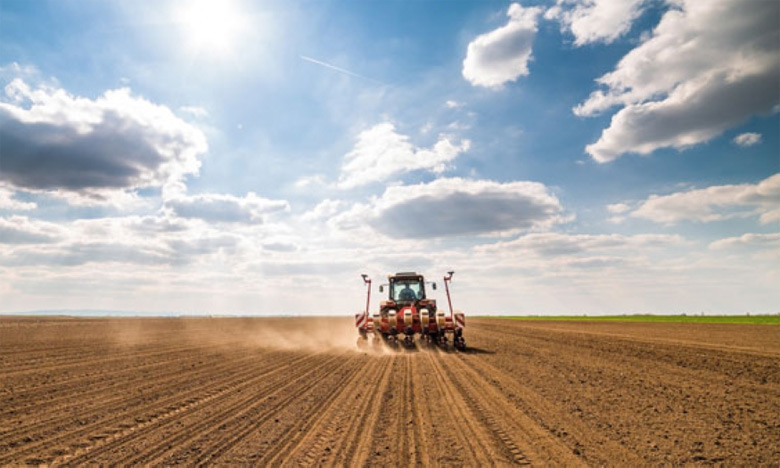
Despite an agricultural year which is expected to be in recession of 6% in 2022 and costly support measures, Morocco’s overall economic recovery will have to continue this year. The losses should be offset by the hoped-for recovery of tourism and exports. This is what Olivier Le Cabellec, economist at Crédit Agricole France, has just said during a new analysis carried out by the banking group. This study recalls that Morocco is facing the worst drought in thirty years this year. Since the start of winter 2021-2022, the rainfall deficit has reached 64% in a country where more than 15% of GDP comes from agriculture: a sector which employs 38% of the active population.
“This is obviously bad economic news which will have multiple consequences, and not only on GDP growth in 2022,” estimate the group’s experts. The impact of more or less heavy rainfall on agricultural GDP and overall GDP is also quite mechanical. For each 10% variation in agricultural GDP, the upward or downward impact can be estimated at around 1.5% growth in overall GDP. “In 2022, GDP growth could therefore amount to 3.5%, instead of 3.9% initially forecast,” they detail. Over the last twenty years, it is recalled, agricultural GDP has entered recession eight times, due to droughts. The increase in the frequency of droughts, from one every ten years to one every two years on average since 2010, is according to experts one of the consequences of global warming.
“Agricultural GDP is also less resilient when several years of drought follow one another and retention dams and water reservoirs, with little supply, no longer serve as shock absorbers during dry years. This is the case in 2022,” indicates the French group. Already, following the rainfall deficit, agricultural GDP contracted by 4.6% in 2019 and 6.9% in 2020, before recovering very strongly by 17% in 2021. The fact remains that agriculture consumes 85% of the water available in Morocco. This year, the impact on the trade balance should also materialize through an increase in imports of food products, particularly cereals, in a context of rising prices. “In addition, Morocco imports 13% of its cereals from Ukraine and 4% from Russia (year 2020) and could be forced to find alternative suppliers in the event of a disruption in supplies,” it is underlined in the study. Nevertheless, the hoped-for recovery in tourism revenue should more than offset the increase in the trade deficit in goods which could, however, exceed 20 billion euros this year, according to estimates from the banking group. Another immediate consequence, the inflation of food products which increased to 4.4% last December and to 4.3% in January.
This is the biggest increase in four years. According to the analysis of the French banking group, the rise in prices could last for many months in Morocco, fueled in part by the increase in transport costs which is reflected in the price of imported food. “Food products are weighted at 33% in the price index and transport at 13% (and they are up 6% over the past year). Inflation quite close to 2% in 2022 is therefore possible. It is an overall level which, however, remains very contained in the current context,” it is specified. For economists at Crédit Agricole France, the fall in agricultural production and farmers’ income is already well anticipated by the Moroccan state, which this year put in place support mechanisms to mitigate the social impact on the sector (a global financial envelope of 10 billion dirhams, or more than 900 million euros, was mobilized on High Instructions of the Sovereign). Beyond maintaining purchasing power, the government also needs to curb the rural exodus which fuels unemployment in the cities. Finally, conclude the French experts, a possible increase in subsidies on basic necessities could also weigh a little this year on public finances.
source:lematin.ma