
“I can’t stop filming”
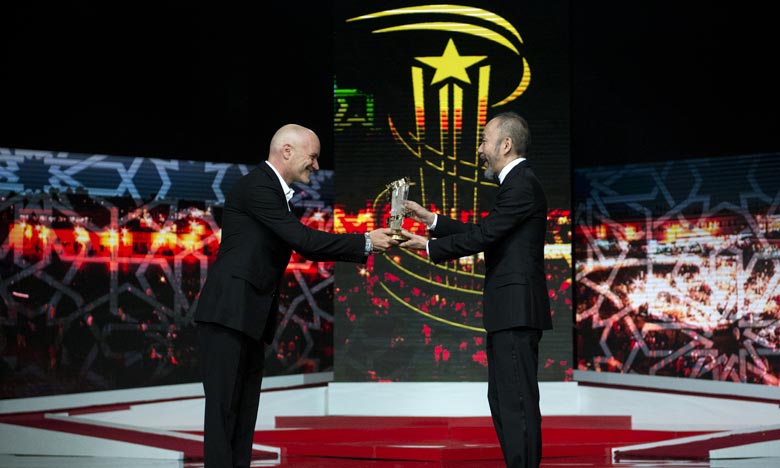
The Japanese filmmaker, who yesterday received a tribute from the Marrakech Festival for his career, provokes admiration (several of his works are now cult) or rejection with each of his films. Meeting.
You have a long career as an actor and screenwriter. What ultimately sparked your move to directing? Why are you filming?
This is an essential question and at the same time so obvious that it is difficult to answer. When I was a child, I had a lot of imagination but I was shy, very introverted. One day I realized that the camera allowed me to externalize the images I had in my head, to show them to others. Since then, I can’t stop filming.
You received a tribute for your career on Sunday. Is this an encouragement for you to continue filming?
The sign that you have reached the top of your art? Or a challenge? There are still a lot of films that I want to make. This tribute is therefore encouraging, for me. I will also accept it as an observation, a recognition of the work accomplished, while trying not to rest on my laurels.
The violence suffered by your main characters often reconnects them to life. Isn’t this a way of advocating violence rather than denouncing it?
It’s true that when I was in my thirties, my very preserved daily life as a city dweller in Tokyo, sheltered from all forms of violence, had an impact on my films. I sometimes had difficulty determining whether what I was experiencing was real or virtual. For me, the violence I inflicted on my characters was similar to the gesture of pinching yourself to know if you are dreaming or not. Now that I’ve gotten older and have children, I’m more concerned about the state of the world in general. This concern is reflected in my latest film, Fires on The Plain.
Precisely, your films almost all take place in an oppressive urban environment. But not Fires on The Plain, which shows a wounded soldier wandering in the wilderness amid the carnage of the Pacific War. Is this a turning point?
It’s true that until this film I was working on the relationship between the city and the human being, locked up, like in a box, in a large urban center. But I think I have reached an age where I can be more easily interested in what can happen around cities, outside of an urban environment. I don’t want to be definitive, but I think it’s a hinge or a pivot that will take me somewhere.
You often take on several roles on your films: director but also actor, screenwriter, cinematographer… a need for control?
I sometimes have difficulty communicating with others to translate my vision. I don’t always have the confidence and determination to impose my ideas on them. That being said, I am reaching out more and more to others.