
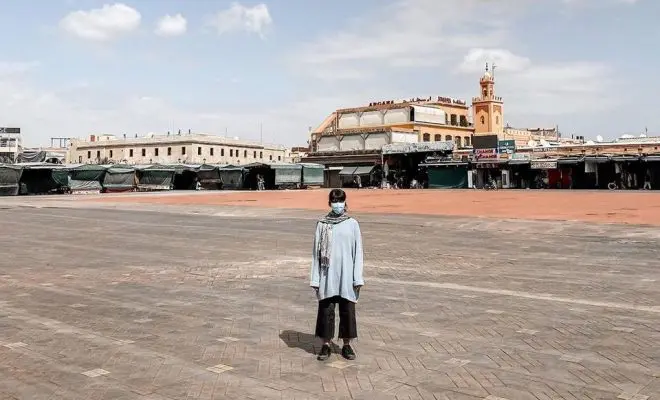
A key sector for the national economy, tourism (7.1% of national GDP and more than 70 billion in foreign exchange earnings) has taken the full brunt of the unprecedented crisis induced by the Covid-19 pandemic. A tough ordeal, in the face of which several measures were taken to cushion the shock. The effects of this viral pneumonia began to be felt as soon as the Moroccan authorities announced confinement during the third month of the year and the closure of land and air borders. A hard blow for the tourist towns of the Kingdom which were slowing down throughout this special period.
Faced with this unprecedented situation, Morocco has undertaken a range of measures and actions capable of mitigating the repercussions of this pandemic on this important and most affected sector. We particularly note the granting of CNSS compensation to thousands of workers in the sector.
Tourism was thus trying to resist the absolute gloom and get its head above water. The lifting of confinement, the resumption of travel between relief zones, the resumption of interurban public rail and road transport, the opening of borders to foreigners under certain conditions, the resumption of flights, etc. are all measures which have made it possible to limit the damage in the sector, after a free fall which asphyxiated the national economy.
Under these conditions, and to preserve the health of tourists and better welcome them, a health protocol has been put in place. These are preventive measures to stem the spread of the virus, including limiting reception capacity, respecting social distancing, wearing a mask and continued sterilization of hotel establishments and visitors’ luggage.
Nevertheless, the estimated impact of this crisis for the sector at the national level is significant: a decline in tourist arrivals of 78% at the end of November 2020, according to an economic report from the Department of Studies and Financial Forecasts (DEPF) for the month of November.
“Following the easing of restrictive measures on international travel from September 6, 2020, the downward pace of tourism receipts recorded a slight attenuation during this month to be reduced by 89.1%, after a drop of 96.7% a month earlier,” underlines the DEPF note.
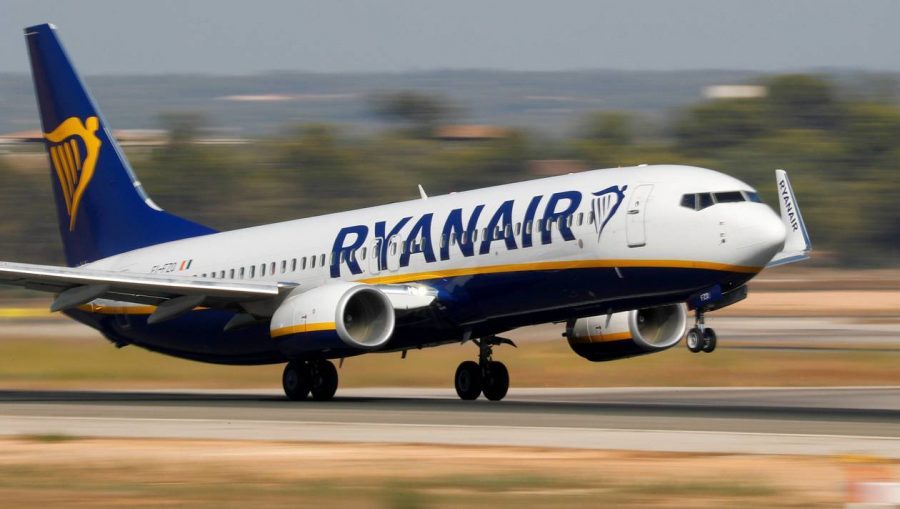
This reduction is expected to continue alongside the continued attenuation of the average drop observed during the last three months in the daily movement of planes recorded at national airports, according to DEPF analysts.
Indeed, this movement fell by an average of 71.2% in the month of October, after -77% in September and -80.7% in August 2020, notes the same source, noting that for the first 16 days of November 2020, the average withdrawal of this traffic stood at -68.7%.
For their part, tourism revenue fell by 59.5% at the end of the first nine months of 2020, after +7.1% a year ago, representing a loss of 35.8 billion dirhams. As for tourist arrivals, they fell by 78% compared to a drop of 70% at the global level.
Thus, to give impetus to the sector and breathe new life into its recovery and transformation, enormous efforts are being made by the Kingdom resulting in a program contract combining public and private actors and covering the period 2020-2022.
The said plan is based on 3 important main axes, namely maintaining jobs and preserving the economic fabric and employment, stimulating demand and structural transformation of the sector.
In this approach to preserving jobs and productive assets in the different regions of the Kingdom, the Moroccan National Tourism Office (ONMT) adopts a strategy of “aggressive reconquest” aimed at quickly recovering Morocco’s positions in the tourism sector.
The ONMT therefore plans to transform this crisis into an opportunity and preserve the competitiveness of the Morocco destination in a context of reconquering markets and increased competition post-covid.
This strategy for the year 2021, which comes after the announcement of the national vaccination campaign, provides support for the relaxation of access conditions to the country, a reconstruction of air seat capacity, securing partnerships with TOs and activating promotion at the end customer level.
source: lesiteinfo.com