
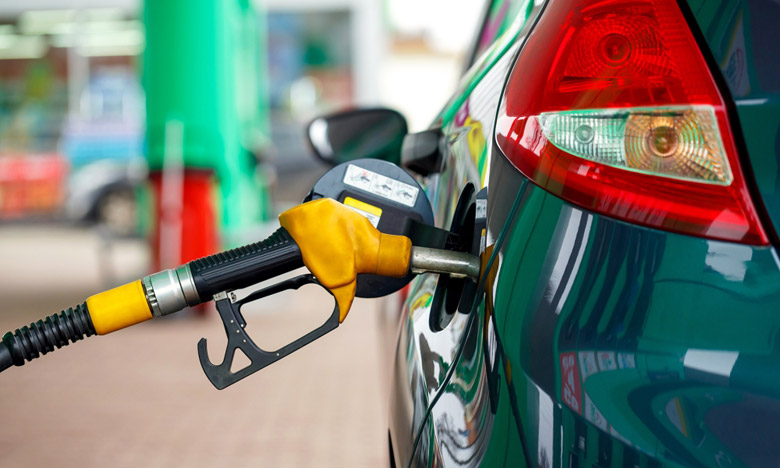
Morocco is preparing to experience a new significant increase in fuel prices at its service stations. According to information collected by Hespress from a well-informed professional source, this increase is part of a general trend of upward price stability. A member of the National Federation of Owners, Traders and Managers of Gas Stations in Morocco confirmed to Hespress that the precise amount of this increase is not yet determined, noting that this increase comes after several successive decreases and the lack of application of the increases planned during the last price updates. According to the same source, professionals in the sector anticipate an increase in the prices of diesel and gasoline, although no official communication has yet been made. A manager of a service station in Rabat explained that fuel prices are strongly influenced by the commercial policy adopted by each distribution company and by stock levels. “We generally only receive information on the exact amount of the increase the day before it is applied, or even the same day,” he said. He recalled that with the liberalization of fuel prices in 2015, updates are no longer regular or predictable. Other sources in the hydrocarbon sector indicated that this new increase is not yet confirmed, stressing that prices have remained stable since last December. The increase announced for January 1, between 17 and 20 cents per liter, was ultimately not applied. Gas station owners in Morocco continue to deny any responsibility for setting prices, explaining that the observed fluctuations arise from distributors’ commercial policies, inventory levels and geographic distances. This announced increase comes in a tense global economic context, marked by geopolitical and climatic uncertainties. Recent global estimates point to a sharp increase in oil prices, reaching their highest level in three months. This surge is fueled by new sanctions imposed by the United States on Russian oil companies and their ships. At the start of the week, the barrel of Brent exceeded 80 dollars, reaching 81.11 dollars after a peak at 81.44 dollars. For its part, American West Texas Intermediate (WTI) crude climbed to $77.97, its highest level since last October. Analysts predict that restrictions on Russian ships will lead to an increase in oil prices and shipping costs. This could prompt countries like China and India to look to alternative suppliers in the Middle East and Africa. Official trade data reveals that ships subject to sanctions accounted for almost 42% of Russia’s maritime oil exports last year. This situation risks affecting global supplies, particularly for the main consumers China and India.