
If in Roland Barthes’ essay The Zero Degree of Writing published in 1953, there is no thought without language, in the tourism sector, there can be no development of tourist activity without governance and Agadir is the perfect example.
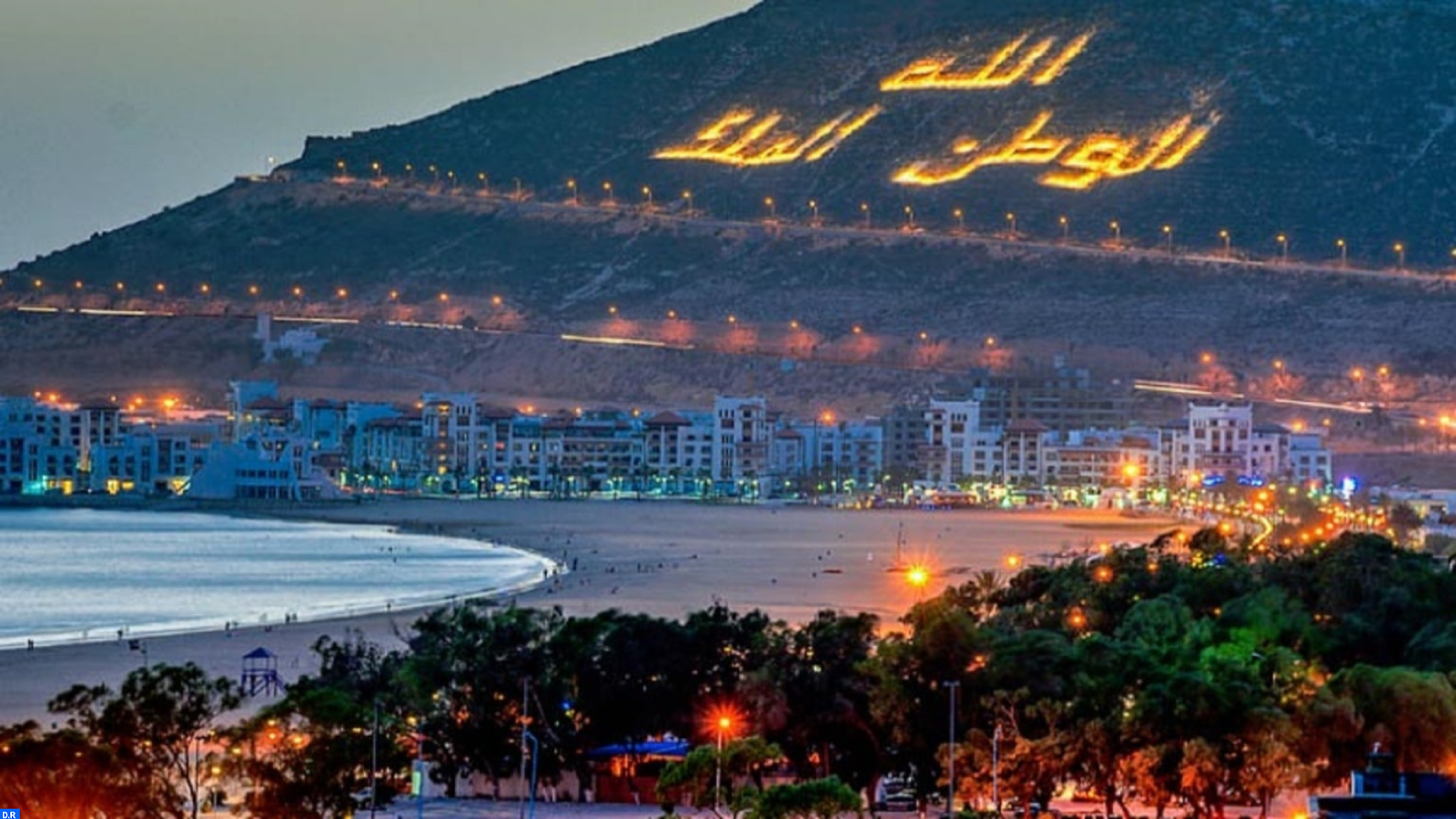
Despite the fact that Agadir is a tourist destination par excellence, the fact remains that from the point of view of tourist activities, we are close to « degree zero » and this despite its enormous tourist assets which can contribute to the development of tourism in the region provided that they are exploited in an efficient manner.
In this seaside resort, the tourism crisis is obvious, the reality on the ground is there to confirm it and to contradict the figures put forward by certain organizations and local actors… the figures for recent years speak for themselves.
The Agadir region contains an under-exploited treasure and tourism potential left fallow, particularly in terms of cultural and natural heritage. The destination is faced with difficulties linked to the tourist promotion of its territory and the development of a territorial brand, that is to say the construction of « territorial branding » or « branding place » (absence of image and identification).
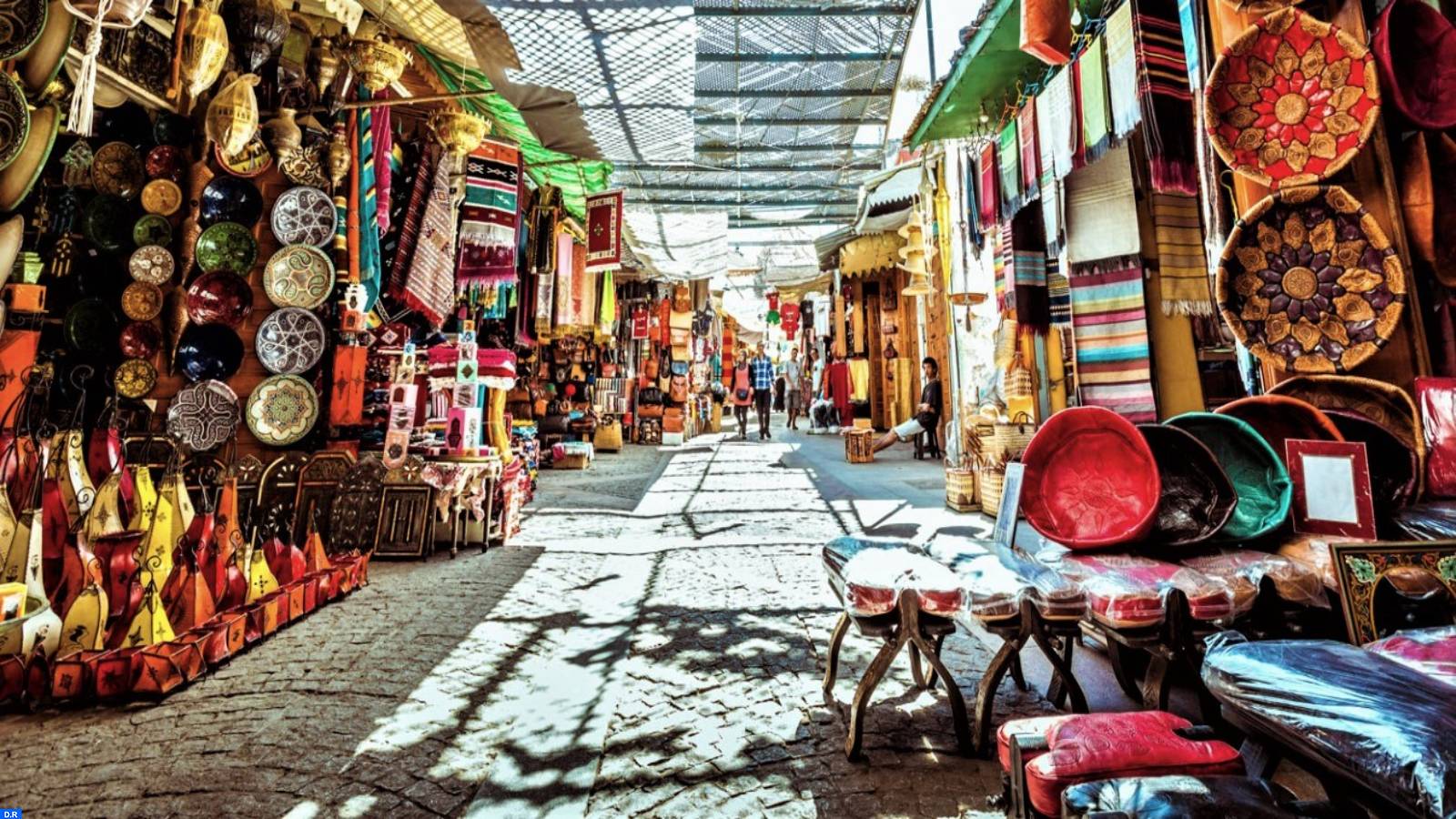
Agadir has not been able to play the card of authenticity, identity, heritage and discovery. Its tourist offer has remained exclusively focused on the seaside character. It has not been able to rely on its traditional assets: its strong cultural identity, the richness of its natural heritage. It has also failed to highlight the ecotourism potential of its forest heritage: the argan grove.
This destination is woefully lacking in entertainment, renewal and real action to change the situation. It has fallen below degree zero of tourism policy. Due to a lack of good governance, the Agadir destination is in the red, losing momentum and is even approaching extinction.
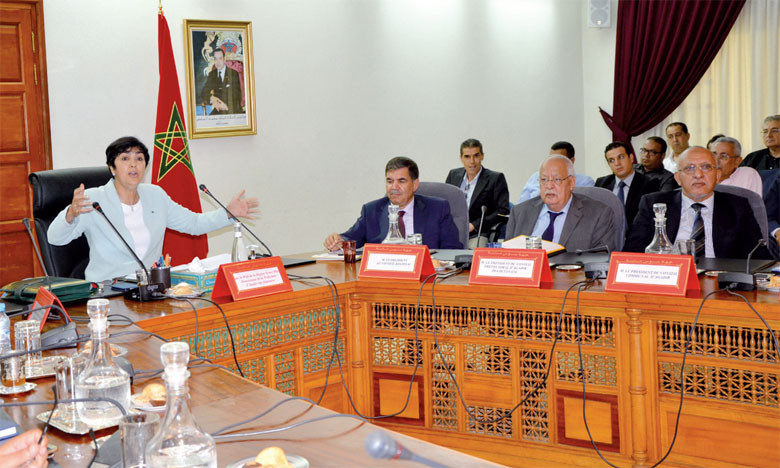
This tourist hub suffers from countless governance deficiencies. Local players in the sector are unable to showcase the product and give this destination a new lease of life. The destination is experiencing a serious governance problem which is a sine qua non condition for the tourist performance of the territories.
The tourist destination is understood here according to Bitner (1992) as a « set of projects designed as efforts of the actors involved in the construction of the destination ». It is an environment co-constructed by a set of actors who interfere within this environment.
According to Marsat and Bonniot (2010), territorial tourism governance concerns the actors, their relationships and the coordination processes. To be able to develop, tourist areas require the implementation of a governance strategy between tourism stakeholders.
In Agadir, local actors collaborate neither with each other nor with the organizations and establishments formed around tourism issues. This state of affairs is likely to hinder the effective implementation of tourism projects. Finally, this lack of governance and the absence of any cooperation for a development project around this tourist area prevent any knowledge for the construction of tourist projects.
Agadir has not been able to focus on tourism as one of the axes of strategic development, in particular by maximizing the appeal of its hinterland. Just like Albert Camus (1944), who said « a country is often worth what its press is worth », I say that a tourist destination is worth what its elected officials and local actors are worth.
source: huffpostmaghreb.