
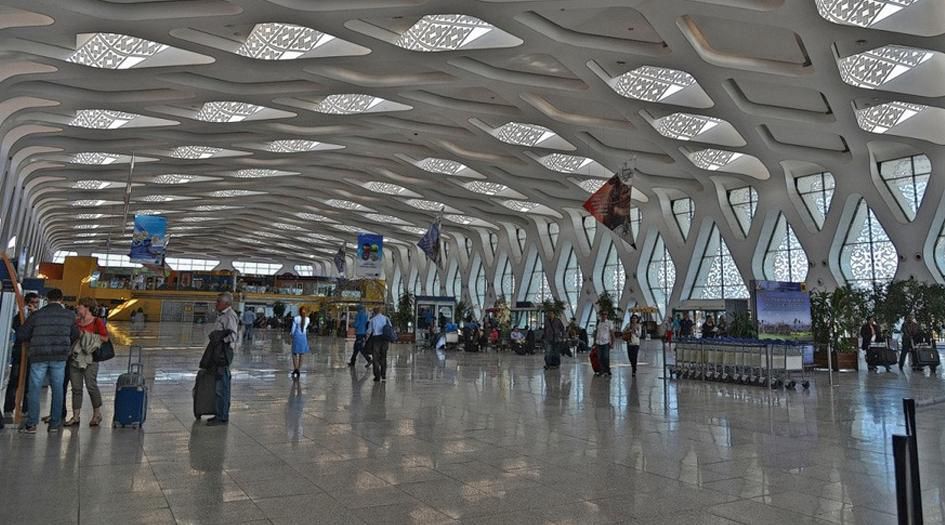
Morocco, a booming air hub, is embarking on a vast modernization of its airport infrastructure. It is an ambition that matches its tourism dynamism and its dream of hosting the Football World Cup in 2030. The National Airports Office (ONDA), the prime contractor for this colossal project, has unveiled a pharaonic investment plan of 12.3 billion dirhams for the period 2025-2027. A strong signal which reflects the Kingdom’s desire to rise to the rank of an essential air platform in the region. Moroccan airports experienced a real boom in 2023, welcoming 27.1 million passengers, or 8% more than before the pandemic and an increase of 31.5% compared to 2022. The trend is upward and the forecasts for 2024 are just as optimistic with an estimated flow of 30.1 million passengers, an increase of 11% compared to the previous year. Faced with this dazzling growth, the modernization of infrastructure is essential to meet the needs of booming tourism, which relies as much on the attractiveness of Moroccan destinations as on the quality of airport services. The modernization plan aims to improve and expand the reception capacity of several key airports, such as Mohammed V in Casablanca, Rabat-Salé, Marrakech, Agadir, Tetouan, Tangier, Fez and Al Hoceima. The goal is to optimize operational efficiency and provide a quality experience for international travelers. This plan not only meets current needs, it also anticipates the increased passenger flows which will accompany the organization of the 2030 World Cup. The air sector is an essential driver of Morocco’s economic and tourist development. Its modernization of airports is part of a broader vision of promoting the Kingdom as an attractive and accessible destination, in line with the ambitions of Royal Air Maroc (RAM) and the Ministry of Tourism. By investing in cutting-edge infrastructure, Morocco aims to stand out from the region’s major hubs, such as Dubai and Istanbul. The ambition is clear: to become a key player in international aviation and capture a growing share of global air traffic. Read also: FIFA inspection in Morocco and Spain for the 2030 World Cup The ONDA report goes further and evokes a possible institutional reform of the Moroccan air sector, with the transformation of the office into a limited company. This development, which would allow ONDA to have more autonomy in the management of its operations, would open the sector to private investment. By promoting public-private partnerships and encouraging the creation of subsidiaries for commercial activities, this reform aims to optimize airport management and boost the financing of future projects. A modernized governance model would provide ONDA with increased flexibility to seize investment opportunities and improve the quality of its services. ONDA’s financial outlook for 2024 is promising. The office forecasts a net profit of 722 million dirhams, supported by a total investment volume exceeding 1.77 billion dirhams. This financial strength will allow ONDA to realize its modernization projects and guarantee sustainable growth. The economic benefits of these investments will not be limited to the aviation sector. They will benefit those involved in tourism, services and infrastructure, thus contributing to strengthening the national economic fabric. The Moroccan-Iberian candidacy for hosting the 2030 World Cup is a historic opportunity for the Ma roc to demonstrate its know-how in terms of infrastructure and organization. The modernization of airports is a crucial element of this ambition, as it will allow the Kingdom to welcome thousands of supporters and international visitors in optimal conditions. This logistical challenge, which requires increased reception capacity and optimal fluidity in passenger processing, requires rigorous management and anticipation of the specific needs linked to this global event. Morocco does not see the 2030 World Cup as an end in itself, but rather as a springboard for the development of its tourism sector. The country has set ambitious objectives: attracting more than 30 million tourists in the coming years, with a direct impact on tourism revenue, employment and regional development. Current investments in airport infrastructure will support this growth, while offering travelers a quality experience and guaranteeing safety and comfort standards aligned with international standards.